Cafe Automation: Accounting, Cash Register and Turnkey System
22 January 2026
Read
Cafe software solves owners’ main problem — the need for constant physical presence. Without automation, you have to check every receipt, control staff personally, manually reconcile warehouse inventory. One day of absence can result in shortage or lost revenue.
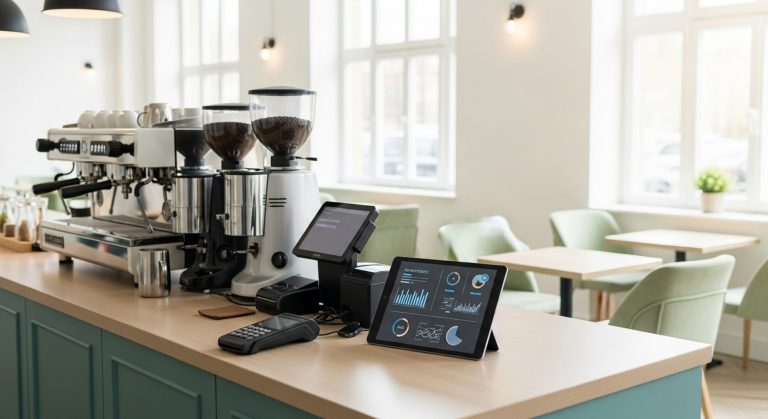
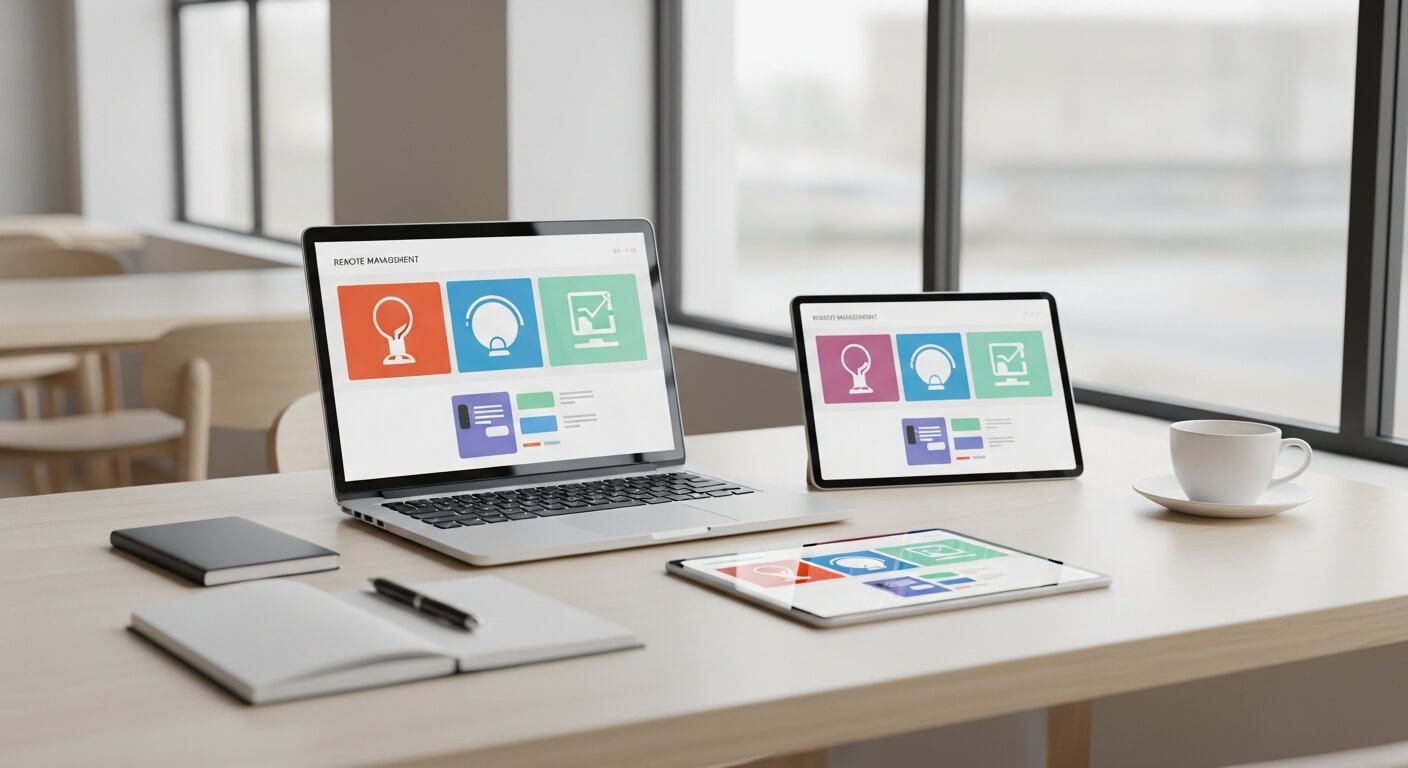
Automation enables remote establishment management via smartphone or tablet. See sales in real time, control employee work, receive reports on all indicators. Cafe management accounting translates processes into digital format where every operation is recorded automatically without owner participation.
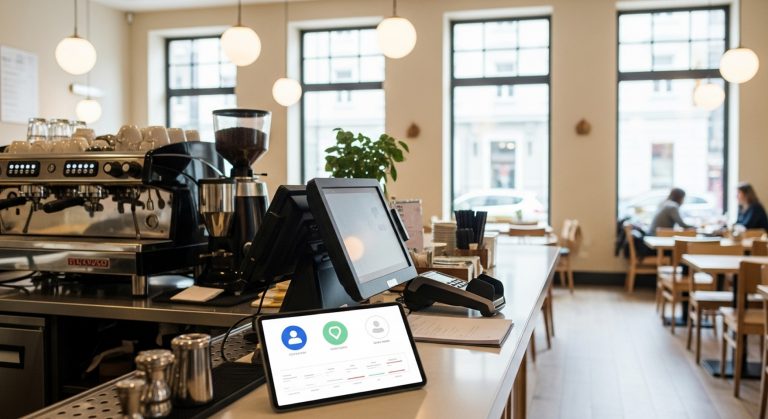
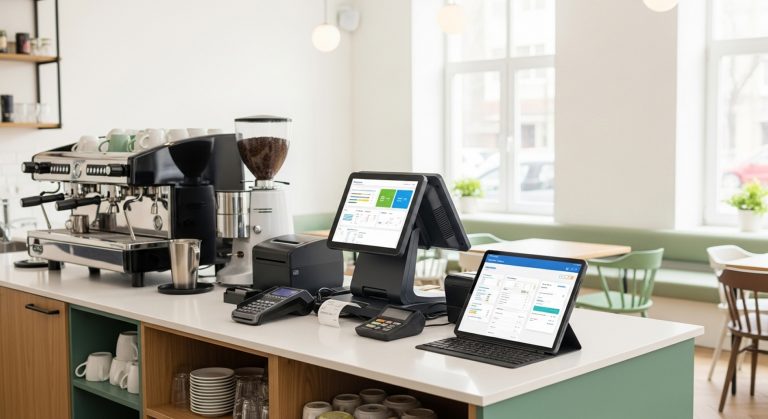
Automation system covers basic accounting and control tasks. Cash register, warehouse, kitchen, hall work as a single organism. Waiter takes order on tablet — information instantly reaches kitchen and warehouse accounting system.
Sales accounting goes automatically. Each receipt is recorded with linkage to waiter, table, time, order composition. You can see who processed how much per shift, which dishes sell better, peak visiting hours. Data accumulates and forms statistics for analysis.
Inventory report is generated with one click. How many products in warehouse, what needs ordering, which items are running out. System warns about critical inventory and approaching expiration dates.
Tracking money movement is possible through financial reports. Revenue by days, weeks, months, and hours. Comparison with past periods, growth or decline dynamics, sales structure by menu categories. All figures are available to owner regardless of location.
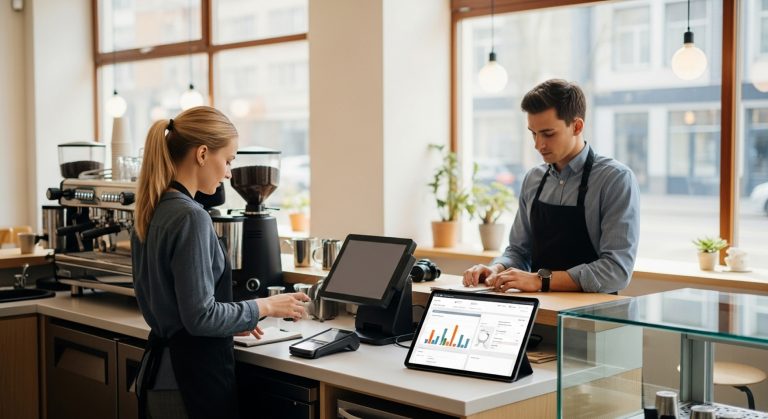
Staff actions are recorded in system automatically. Who opened shift, how many orders waiter processed, which dishes chef prepared. Control is maintained not through constant physical presence but through objective work metrics.
Shift schedule optimization is built on workload analysis. You can see which days and hours need more employees, when you can work with minimum staff. Depending on responsibilities, each employee gets access only to their functions — chef doesn’t see finances, waiter can’t change menu prices.
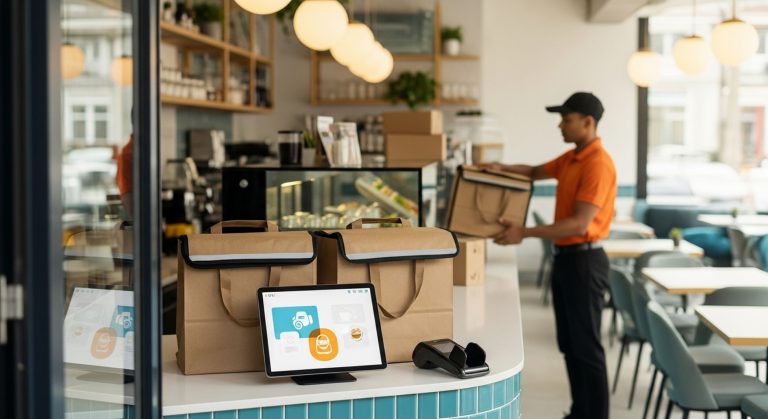
Working with orders speeds up through integration with delivery aggregators. Orders from all sources enter single interface. Delivery order program distributes them among couriers automatically considering addresses and workload. Routes are built to minimize delivery time.
Cafe accounting system records processing time of each stage. From order taking to dish serving to guest. If average pizza preparation time is 15 minutes but today grew to 25 — kitchen problem requires attention. Real-time data allows quick reaction.
Establishment network requires centralized control. Several locations in different districts or cities are managed from one system. You can see revenue per each restaurant, warehouse inventory, staff work at each location.
Tablet accounting system provides management mobility. Owner opens application from any device and sees complete picture across all locations. Can detail down to specific order or view overall analytics for period.
Remote management format is especially valuable when scaling business. Opening second or third location, no need to physically split between establishments. Each works by unified standards, data flows into common system for analysis.
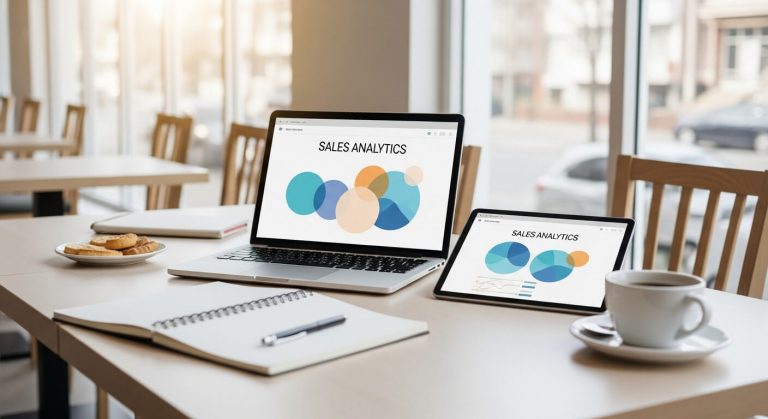
Sales analytics can help in decision making. Which menu items should be removed, where to raise prices, when to run promotions to attract guests. System shows trends and anomalies that are hard to notice without digital accounting.
Staff quantity planning is built on actual workload data. No need to keep excess staff or work with overload. You can see how many waiters are needed Friday evening and Monday morning.
Review integration list before choosing automation system. Connection with accounting and loyalty, video surveillance integration, aggregator connection, supplier synchronization — more capabilities mean less manual work.
Restaurant software must support various payment types. Cash, cards, online payment, electronic wallets. Each transaction is recorded with receipt linkage and automatically enters financial reporting.
Client loyalty is built through CRM module. Guest database with order history, point accumulation programs, personalized offers. System reminds about regular clients’ birthdays, sends promo codes, records menu preferences.
Syrve integration with external services expands management capabilities. Connection with online table booking, marketing platform integration, data export for analytics. Denser integrations mean less time spent on manual information transfer between systems.
Reports can be created by any data slices. By waiters, by dishes, by work hours, by payment methods. Flexible interface allows configuring needed metrics and receiving them regularly without additional system requests.
Automation system should be implemented in stages. First week goes to configuration for establishment specifics: menu loading, recipe card creation, staff access rights setup. Staff training takes 2-3 days with right approach.
Not the program itself but comprehensive implementation approach automates processes. Restasystem offers free trial period to check functionality in real working conditions. This way owner sees how system works before making final transition decision.
Implementing system is easier in new establishment than transferring working business to it. But even operating restaurants transition to automation in a week without stopping operations. Old system works parallel with new one until staff fully masters interface.
Software choice depends on establishment format. Small cafe needs basic functionality — cash register, accounting, simple analytics. Restaurant network needs extended set with financial analytics, staff management, multiple service integrations.
Menu filling is done by implementation team or owner. All items with prices, composition, weight, photos are entered into system. More detailed database means more accurate accounting and analytics. Establishment with 100-item menu takes one working day.
POS systems transform restaurant business from requiring constant presence to remotely manageable. Owner can be on vacation, business trip, working on other projects — control remains complete through digitization of all processes.
Cafe and restaurant automation provides competitive advantage through decision-making speed. Noticed specific dish sales decline — quickly ran promotion or removed item from menu. Noticed delivery demand growth — strengthened this channel with additional couriers.
Finances and analytics become transparent. No need to wait end of month to understand profitability. Financial result is visible daily with breakdown by all items. Management is built on actual data, not assumptions.
Quick information access helps accelerate business development. Decisions are made based on numbers, not intuition. Accounting software provides objective picture of what’s happening, owner concentrates on strategy, not routine operation control.