Cafe Automation: Accounting, Cash Register and Turnkey System
22 January 2026
Read
Restaurant automation saves up to 20 hours per week on routine operations. Owners spend time on manual revenue counting, inventory reconciliation, staff control. Without accounting system impossible to understand where money is lost and what needs changing for profit growth.
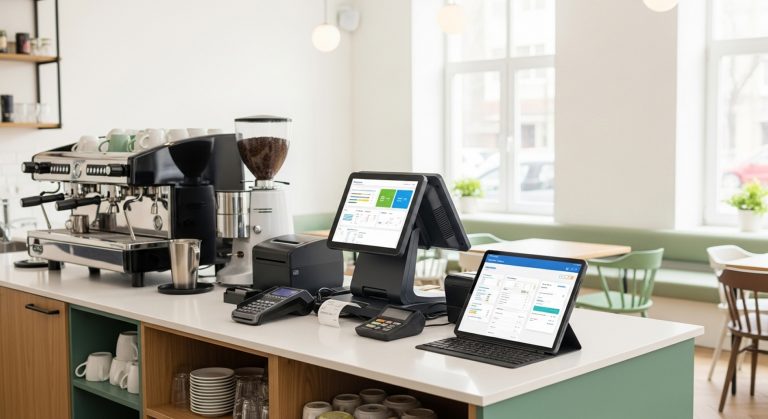
Cafe software connects cash register, warehouse, kitchen into single network. Waiter takes order — information automatically reaches chefs, ingredients are written off, receipt is formed. Cafe automation removes manual data transfer between processes and eliminates recording errors.
Automation system covers basic accounting problems. Cash register records every sale with linkage to waiter, time, order composition. Warehouse writes off products by recipe cards automatically. Reports form in seconds instead of hours of manual work.
Product movement accounting becomes transparent. Received delivery — products added to warehouse. Prepared dish — ingredients written off. You can see what’s running out, when to order next batch, where shortages arise.
Financial accounting management simplifies through automatic report generation. Revenue by days, weeks, months and hours. Sales structure by product categories. Comparison with past periods for dynamics analysis.
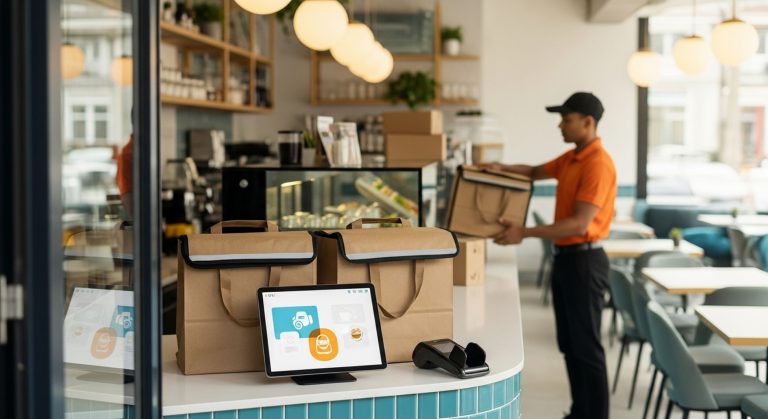
Working with orders speeds up when integrating delivery into common system. Orders from website, app, aggregators enter one program. Order delivery program distributes them among couriers automatically.
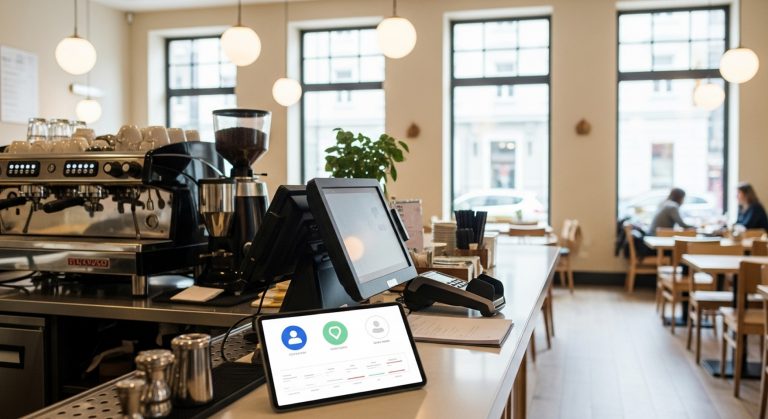
Accounting system includes several interconnected blocks. POS systems process hall sales. Warehouse module controls inventory and write-offs. CRM manages client database and loyalty programs.
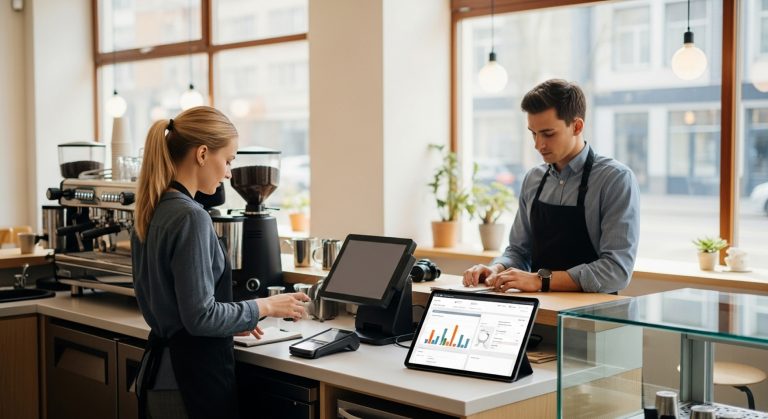
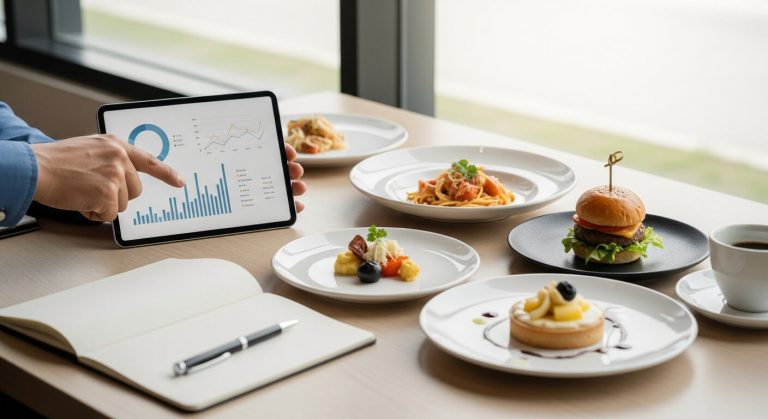
Analytics provides data for management decisions. Which dishes sell better, what time is peak load, which staff works faster. Statistics can be trusted — numbers collected automatically without manual intervention.
Cafe automation systems integrate with accounting and loyalty, video surveillance, delivery aggregators. Review integration list before choosing — more connections mean less manual work.
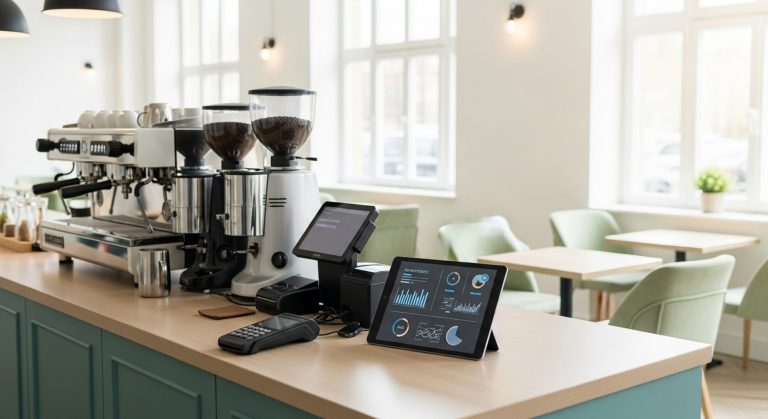
Tablet accounting system provides management mobility. Waiter takes orders on tablet right at table. Owner sees sales in real time from smartphone being anywhere in world.
Implementing automation begins with current process audit. How orders are currently taken, how warehouse accounting is kept, who’s responsible for which operations. Understanding workflow helps configure system for real needs.
Menu filling is done at setup stage. All items entered with prices, composition, photos. Recipe cards created for automatic ingredient write-offs. Establishment with average menu takes 2-3 days.
Account settings determine staff access rights. Waiter sees only their orders, chef — kitchen tasks, manager — complete establishment picture. Depending on responsibilities each employee gets needed access level.
Team training passes in several days. Interface built intuitively, most actions performed in 2-3 clicks. Restasystem helps with setup in first work days.
Additional functionality extends basic system capabilities. Table booking management, online menu on website, push notifications for clients. Each module connects as needed without requiring license purchase for entire package.
Work format adjusts to business specifics. Coffee shop configures quick takeaway drink sales. Restaurant focuses on hall management and booking. Establishment network gets centralized control of all locations in one system.
Software partner provides technical support and updates. Market requires compliance with local reporting and taxation standards. System adapted for working in local conditions.
Scaling ease allows starting with one location and expanding further. Opened second cafe — added it to existing system in a day. Data across all establishments available in single interface.
How much does syrve program cost depends on establishment format and employee quantity. Small cafe needs basic package. Restaurant with delivery and multiple halls needs extended functionality.
Process optimization through automation pays back investment in 3-6 months. Staff time savings, shortage reduction by 8-12%, average check growth through loyalty programs give measurable financial result.
Simplification can be gradual. Start with cash register and basic accounting, then add warehouse, then CRM and delivery. Modular structure allows implementing system in stages without stopping establishment operation.
Familiarize with capabilities through trial period. Most providers give time to check functionality in real conditions. Can evaluate interface convenience, work speed, technical support quality before purchase.
Tracking implementation effectiveness helps comparing indicators before and after automation. How much time went to inventory before and how much goes now. How accounting accuracy changed, whether revenue grew.
Finance and analytics become foundation for management decisions. Opening new location, changing menu, adjusting staff schedule — all decisions built on data, not intuition.