Cafe Automation: Accounting, Cash Register and Turnkey System
22 January 2026
Read

Cafe marketing often comes down to chaotic actions without a system. Owners launch social media ads, distribute flyers, offer discounts — but don’t see traffic growth. Money goes out, there’s no result.
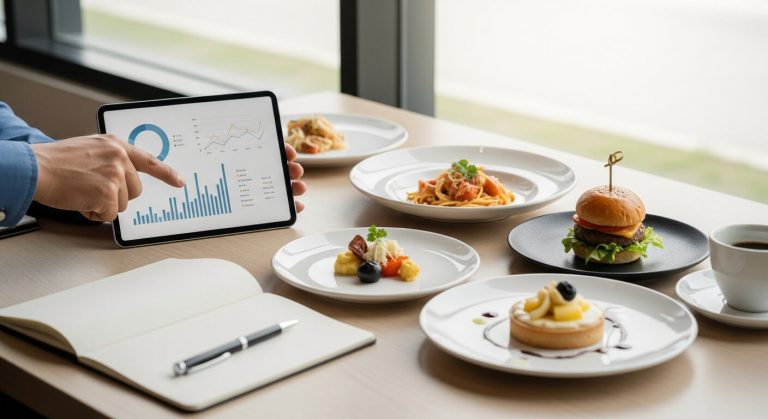
Most small establishments lack a marketing strategy. Without target audience analysis, understanding the competitive environment, and a clear action plan, the budget is wasted. Cafe automation provides data for marketing decisions: which dishes are ordered more often, peak visiting times, who your regular guests are.
Analysis begins with studying the location. Street traffic, number of nearby offices, presence of residential buildings determine potential guest flow. The local market dictates establishment format and pricing policy.
Competitors are studied in detail. What cafes within a 500-meter radius offer, what prices, what atmosphere, how the hall fills during peak hours. Analyze their menu, promotions, internet presence. Find weaknesses that will become your advantage.
Understanding target audience needs is important. Students seek cheap lunches and wifi, office workers — quick service during lunch break, families — children’s menu and cozy place. Your establishment format should match the main visitor group’s requests.
Success factors in food service aren’t limited to cuisine. Convenient parking, metro proximity, visibility from the street affect traffic no less than dish quality. Location determines 40-50% of establishment success.
Marketing budget usually constitutes 5-10% of planned revenue. A small coffee shop can start with minimal investment, gradually increasing expenses as sales grow.
Funds should be allocated to proven attraction channels. For local business, these work: facade and signage design, presence on maps and directories, targeted advertising by geolocation.
Advertising budget is distributed among channels depending on effectiveness. The first month test different tools, track clicks, then concentrate on those giving maximum guest influx relative to costs.
Marketing activity spending is controlled through profitability accounting. Spent a certain amount on targeting — calculated how many new guests came, what’s the average check, whether investments paid off. CRM system for coffee shop automatically records client attraction sources.
Establishment promotion in the local environment begins with basic actions. Registration on Google Maps and other maps with current data: address, operating hours, photos, menu. Potential guest searches for nearby cafe — you should be in results.
Social media advertising works with proper targeting setup. Geolocation within 2-3 kilometers radius, interests related to cafes and restaurants, age and gender of your target audience. Setup takes an hour, but without it money goes to showing people who will never come.
Special offers attract new guests and activate existing ones. Business lunch at reduced price, happy hours for drinks, compliments on birthday. The main thing is not to slide into endless discounts — this kills value perception.
Participation in city events and festivals gives reach and recognition. A small bakery can organize tasting at a neighborhood celebration, a coffee shop — hold a coffee brewing master class. Positive emotions from such activities are remembered better than advertising banners.
Event calendar is planned a quarter ahead. Tying to holidays, seasonal events, local activities helps prepare promotions in advance and not miss opportunities to attract guests.
Loyalty is built not on discounts but on client value. Points accumulation program, personalized offers, priority service for regular guests work better than universal promo codes.
Recording each guest’s preferences is possible through CRM. Someone always orders latte with oat milk, someone prefers window table, someone comes strictly on Tuesdays. This data is used to personalize service.
Retaining clients is cheaper than attracting new ones. Retention cost is 5-7 times lower than attraction cost. Regular guests who come once a week, 50-70 people are enough for stable loading of a small cafe.
Loyalty program effectiveness is measured by repeat visit frequency. If a guest came once and didn’t return — the program doesn’t work. You need to analyze not the number of issued cards but the percentage of their active use.
Your establishment’s brand is formed through each interaction with the guest. From first entrance to bill payment. The visitor remembers atmosphere, staff attitude, attention to details — this is the foundation for return.
Attracting guests is possible without large investments. Quality dish photos on smartphone, regular social media posts, working with reviews — free tools that require a lot of time.
Selecting partners for cross-promo expands reach. Cafe agrees with neighboring fitness club on mutual advertising, bakery cooperates with flower shop. Audience exchange works when target groups coincide.
Manager’s time investment in marketing pays off with revenue growth. Even 2-3 hours per week on promotion give results with a systematic approach. Syrve training includes a module on working with marketing tools in the system.
Trying different activity formats is worth it in the first months of operation. Part won’t work, but you’ll find those channels that bring exactly your audience. Much can be implemented with minimal costs if you think creatively.
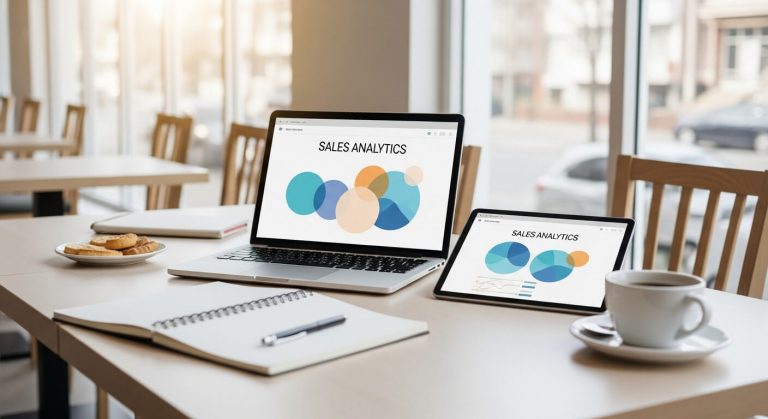
Effective marketing is based on numbers, not feelings. How many new guests came after launching a promotion, what’s the average check, did they return — this data shows the real picture.
You need to attract not just people but those who will become regular clients. Better to bring 20 people, of which 10 will return, than 100 random promotion visitors who won’t appear again.
Successful marketing in food service is built on understanding your audience and concentrating efforts on working channels. Restasystem helps track each marketing event’s effectiveness through visit and sales analytics.
Profit grows not from the number of advertising campaigns but from quality of attraction and guest retention. Those who truly fit your establishment by format, cuisine, atmosphere should visit. You can fix low traffic situation through a systematic approach to marketing, not one-time promotions.