Syrve Cafe Accounting System: Complete Feature Overview and Real Cases
30 January 2026
Read
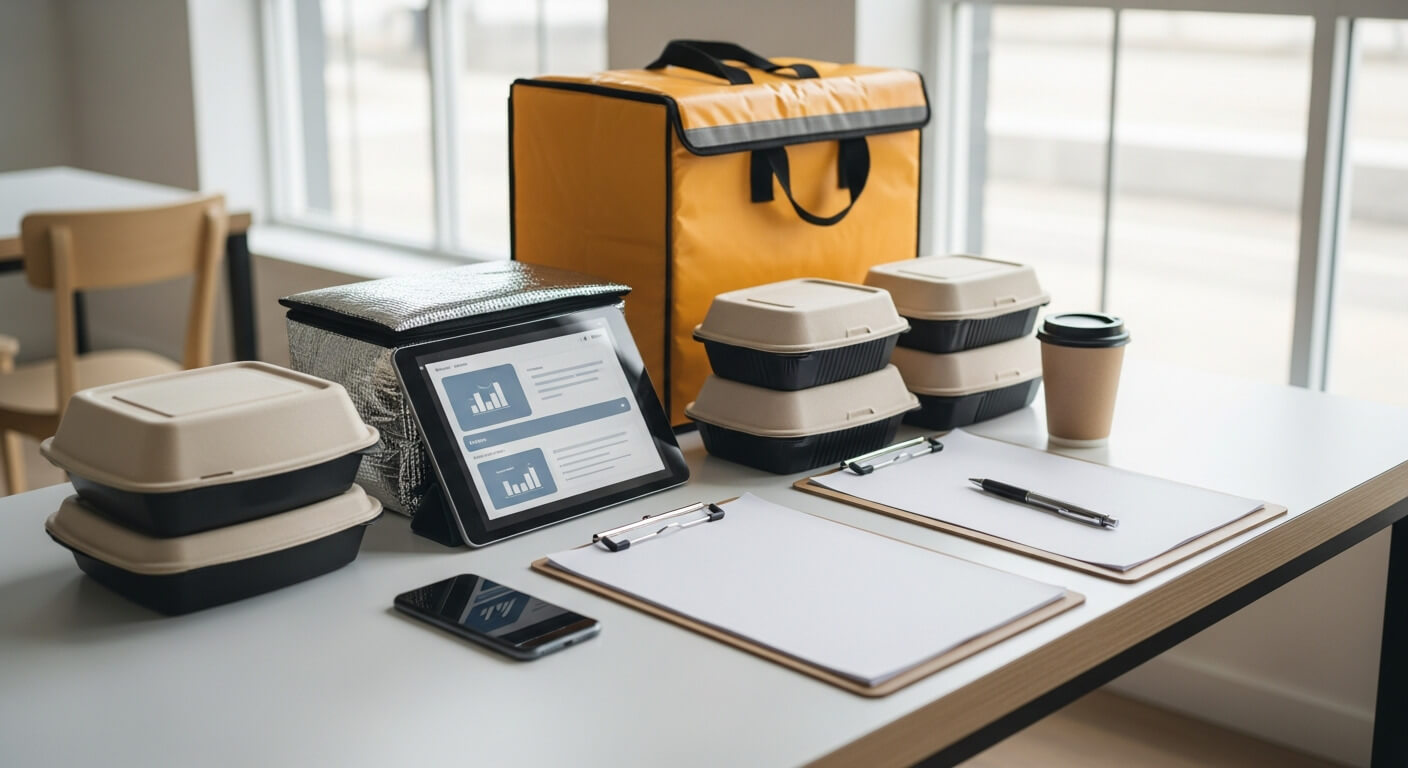
Food delivery brings up to 30-40% of revenue to restaurants that have properly organized this sales channel. Owners often launch delivery chaotically — connect to aggregators, hire a courier, hope for order growth. A month later they discover losses due to high commissions and lack of accounting system.
Starting food delivery isn’t enough — need to make it profitable. Proper menu, packaging, logistics, integration with establishment’s main processes determine success. Restaurant automation connects all order receiving channels into single system where each order is processed automatically without manual data transfer between platforms.
Delivery service is created either by own forces or through working with aggregators. Each format has specifics in costs, quality control, margin.
Own delivery requires hiring couriers, purchasing transport or compensating its use, organizing dispatch service. But aggregator commission doesn’t eat 25-35% from each order. Service quality control remains complete — from order acceptance to dish transfer to client.
Delivery aggregators provide ready audience and infrastructure. Connected to platform — orders started coming. Minus is high commissions and dependence on aggregator rules. Establishment rating in app directly affects order quantity.
Delivery format can be combined. Work with aggregators for wide audience coverage and develop own channel through website and app for regular clients. Own orders’ margin is higher, aggregators give volume.
Worth starting delivery in stages. First test demand through one aggregator, understand which dishes are ordered more often, tune kitchen processes and packaging. Then scale to other platforms or launch own service.
Delivery menu differs from hall. Not all dishes survive transportation without losing appearance and taste. Salad with dressing separates, crispy meat crust gets soggy, desserts deform during shaking.
Dish for delivery must maintain temperature for 30-40 minutes and not lose commercial appearance. Pizza delivery works well — packaging holds heat, product doesn’t deform. Salad is better packaged with separate dressing that client adds themselves. Snack in sealed packaging arrives without problems.
Delivery menu is reduced to 30-50 items versus 80-120 in hall. Focus on popular dishes that will definitely be ordered. Exotic items with low demand are removed — every dish in menu must cover ingredient and cooking costs.
Pricing considers packaging cost, delivery, aggregator commission. If in hall dish costs conditionally 100 units, in delivery price will be 120-130 units. Clients understand markup for convenience, main thing is not to overprice to level where demand drops.
Restaurant management accounting shows real profitability of each item considering all costs. You can see which dishes bring profit in delivery and which work at loss even with high demand.
Packaging is critical for preserving dish quality. Containers must be airtight, hold temperature, protect from deformation during transportation. Saving on packaging results in negative reviews and order returns.
Hot dishes are packaged in thermal containers, cold ones — in insulated boxes with coolants. Liquid items like soups require especially reliable lids. One spilled portion in courier’s car creates problems for whole day.
Transportation is organized considering delivery radius. Up to 3 kilometers courier reaches in 15-20 minutes, further time grows and dishes cool. Optimal radius for own delivery — 2-3 kilometers, aggregators cover up to 5-7 kilometers.
Delivery time is promised with margin. Better deliver in 25 minutes with promised 40 than be 10 minutes late. Delays kill loyalty faster than any other service mistakes. Client orders food for specific time and plans their day around it.
Courier becomes establishment’s face during delivery. Politeness, neatness, time compliance — all this affects brand perception. Training couriers in client communication standards is as important as training hall waiters.
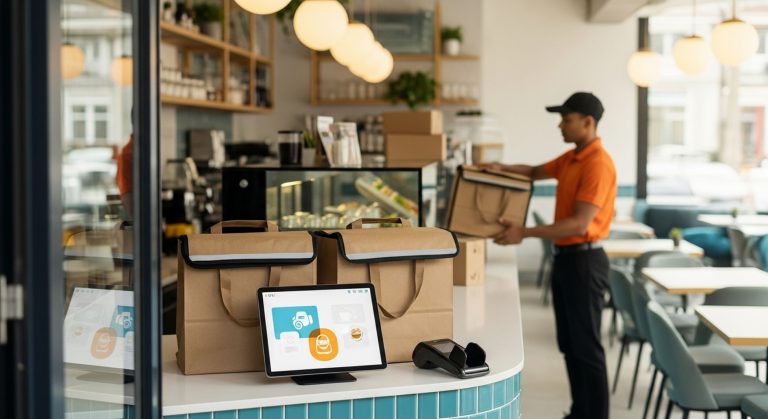
Order reception system unites all channels in one interface. Orders from website, app, aggregators enter single dispatcher screen or directly to kitchen. Manual data transfer is excluded — errors in writing addresses and order composition disappear.
Accounting system needs integration with aggregators through API. Order automatically writes off ingredients from warehouse, processes receipt, forms courier task. All processes connected without breaks and information duplication.
Program controls each order’s status in real time. Accepted, preparing, packed, transferred to courier, delivered. Client receives notifications at each stage via smartphone. Process transparency increases service trust.
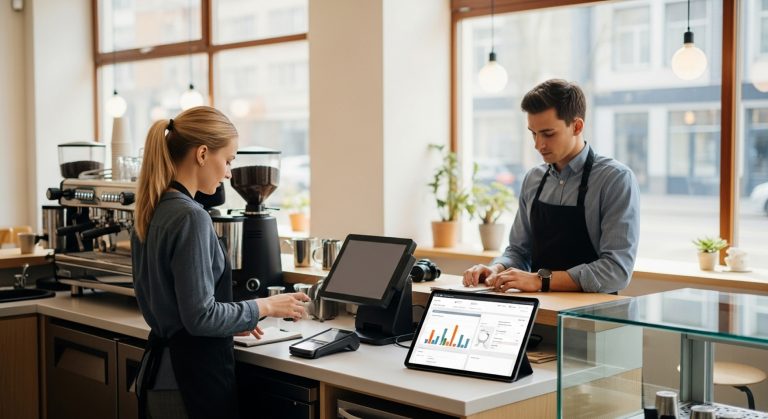
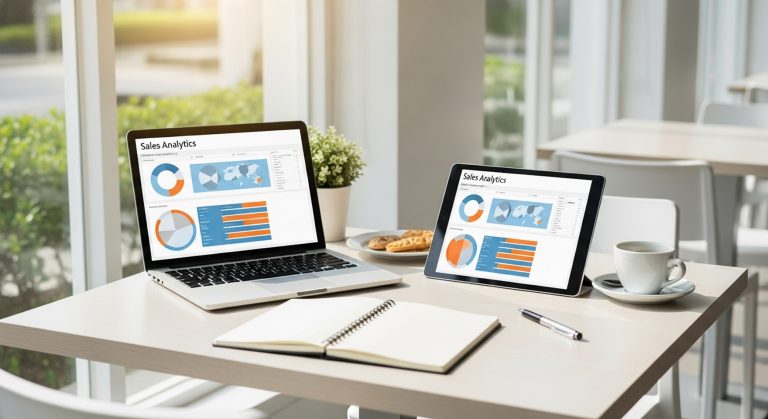
Delivery accounting is kept separately from hall for channel profitability analysis. Revenue, order quantity, average check, packaging and courier costs — all metrics available broken down by periods and dish categories.
Restaurant management system Syrve integrates with main aggregators automatically. Setup takes one day, then orders arrive and process without dispatcher participation.
Own delivery channel promotion is built on regular clients base. Loyalty programs with point accumulation, repeat order discounts, free delivery above certain amount stimulate ordering directly, not through aggregator.
Increasing recognition helps packaging branding. Establishment logo, contacts, call to order through website printed on every container. Client sees brand, remembers, next time may order directly.
Convenient app or website interface is critical for conversion. If ordering is complicated, client will return to aggregator. Process should take 2-3 minutes: selected dishes, indicated address, confirmed order.
Automation system forms ready menu for website with current prices and photos. Changed price in main system — update reaches all platforms automatically. Your menu is always synchronized between channels.
Payment is accepted several ways: cash to courier, card upon receipt, online during ordering. More options mean fewer refusals due to payment inconvenience. Online payment share grows — clients value contactless format.
Delivery became main sales channel for some establishments. Rent costs lower, location not critical, focus fully on speed and cooking quality.
Food delivery services open second kitchens specifically for delivery in densely populated districts. Main establishment works with hall, additional location only cooks and sends orders. City coverage radius increases without opening full restaurants.
Controlling multiple delivery locations work is possible through centralized accounting system. You can see each kitchen’s load, warehouse inventory, courier efficiency by districts. Two shifts at each location cover demand from morning to late night.
Potential revenue growth through delivery reaches 50-70% for establishments with good process organization. Restasystem automates delivery management from order acceptance to channel profitability analytics. Integration with aggregators and own app works in single interface without switching between platforms.
Food delivery restaurant profitability depends on proper menu, packaging, logistics, and process automation. Your service must be fast, reliable, profitable — otherwise delivery becomes unprofitable channel dragging main business down.