Cafe Software: Cloud Solutions and Warehouse Accounting
13 January 2026
Read
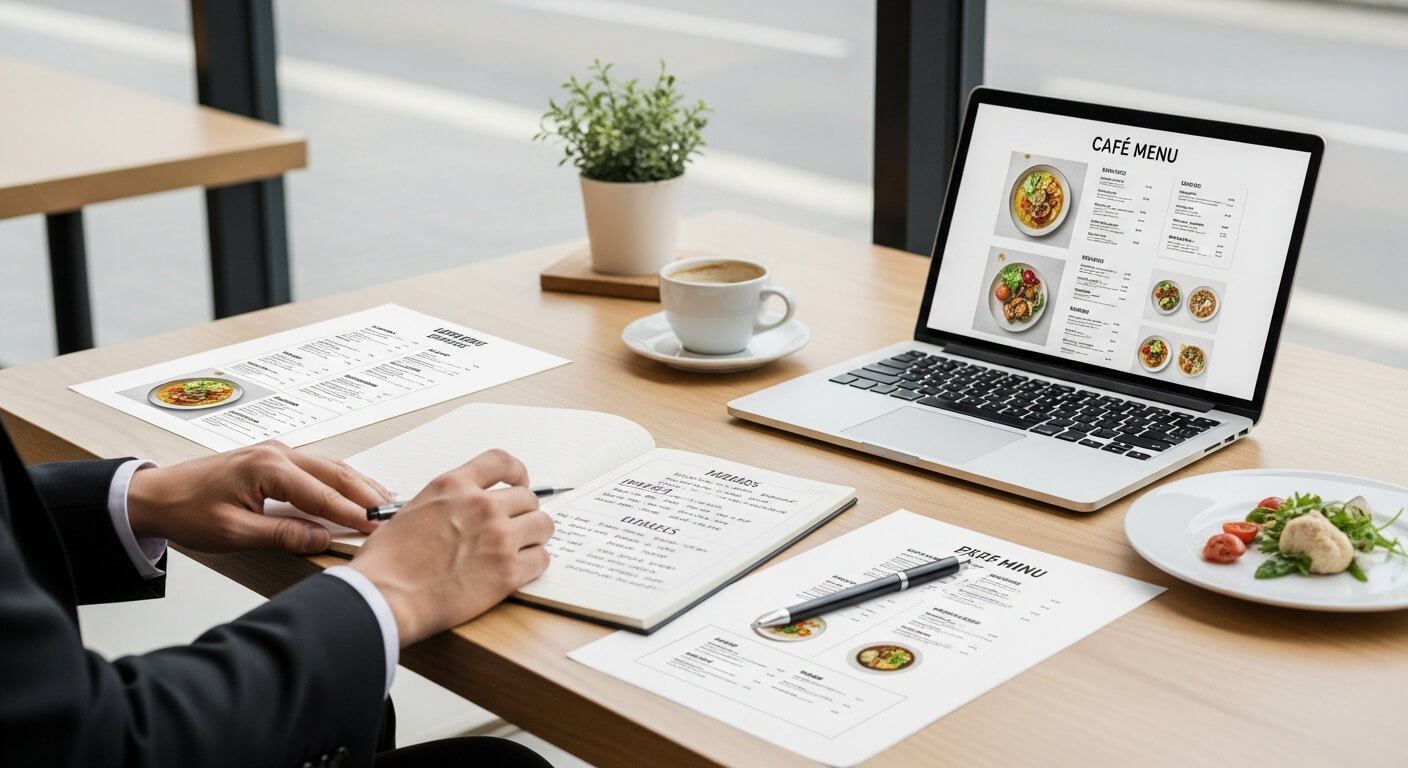
Creating a cafe menu is more complex than it seems at first glance. Owners include 100-150 items, hoping to please all guests. Three months later, half the dishes don’t sell, products spoil, the kitchen works in chaos.
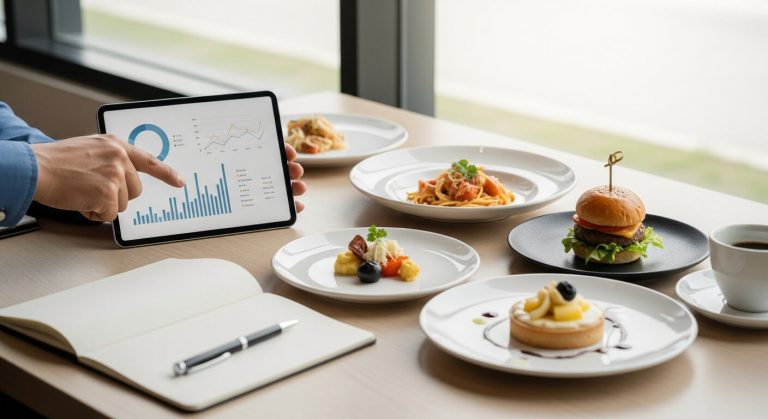
A cafe and restaurant menu determines business profitability. Wrong structure eats away margins, increases inventory, slows service. Software for cafe helps analyze sales of each item and make decisions based on actual data, not assumptions about what visitors might like.
The concept determines the entire structure. A family cafe requires children’s items and desserts, a coffee shop focuses on beverages and pastries, a bistro works with quick dishes.
The target audience is studied before compiling the dish list. Students seek low prices and large portions, office workers — service speed, families — variety. The establishment format dictates price segment and assortment.
The menu concept affects ingredient purchases. Working with seafood simplifies logistics — a pizzeria buys flour, cheeses, tomatoes. A universal cafe keeps hundreds of product names, which complicates control and increases write-offs.
Aspiring restaurateurs are often attracted to trendy items. But avocado toasts may not work in a residential area where traditional cuisine is preferred. Competitor analysis shows real demand at the location.
Development stages begin with defining menu categories. Cold appetizers, hot appetizers, soups, main courses, desserts, beverages — classic structure for full-cycle restaurants.
A category should contain 5-8 items maximum. A long menu with 200 dishes overwhelms the visitor with choice and the kitchen with preparation. A short menu with 30-50 items simplifies staff work and reduces service time.
The dish list is formed considering cost and margin. Each item undergoes calculation by formula: purchase price of ingredients plus processing losses plus indirect costs. The margin indicator should be no lower than 60-70% for restaurant business.
Section layout considers perception psychology. The guest first sees the upper right corner of the page — the most profitable items are placed there. Emphasis is on dishes with high margin and stable demand.
The margin of each item is calculated separately. Profitability depends not only on markup but also on sales speed and consumption of each ingredient.
The menu matrix divides dishes into four groups. Stars — high margin and high demand. Workhorses — low margin but stable sales. Puzzles — high margin with weak demand. Dogs — low margin and low demand, removed first.
Cafe software automatically calculates margin and popularity. The program shows which items bring main profit, which sell rarely, where ingredient cost is inflated relative to dish price.
Markups vary by category. Beverages give 70-80% margin, desserts — 65-75%, main courses — 60-65%. Price balance is critical — overpricing scares guests away, underpricing kills profit.
Seasonality affects structure. In summer, salads sell 40% more actively, in winter demand grows for soups and hot dishes. The menu should change quarterly considering product availability and competition costs.
Design affects sales more than it seems. Dish photography increases orders of a specific item by 20-30%, but overloading every page with photos isn’t worth it.
When designing a menu, interior and overall establishment style should be considered. A classic restaurant requires restrained design, a youth cafe — bright and creative. Signage and menu should be in unified style.
Item descriptions contain composition, weight, serving method. The waiter shouldn’t explain every dish — information is already in the menu. But overloading with text is also a mistake, 1-2 sentences per item is enough.
A separate block is allocated for special offers or seasonal novelties. The visitor sees the restaurant menu’s relevance and willingness to try new things. This works for high quality image and attention to detail.
Prices are placed on the right, without excessive visual accents. Psychologically, the guest should choose by taste, not cost. Proper typography keeps attention on dish names and descriptions.
The menu needs regular updates based on real sales data. Items not ordered for two consecutive weeks are removed from assortment or recipe is changed.
New dish testing happens in special offers format. Dish quality is evaluated by guest feedback and repeat order speed. If a new item doesn’t get 10-15 sales per week — it didn’t catch on.
ABC analysis shows which 20% of items give 80% of revenue. These dishes are the restaurant menu’s foundation, their recipes are standardized and controlled especially carefully. Staff are trained to prepare them perfectly every time.
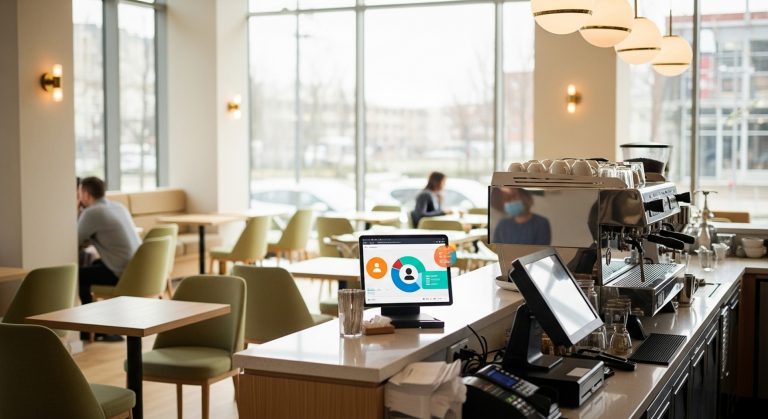
Restasystem collects statistics for each category automatically. You can see what time of day, what’s ordered, which dish combinations are popular, where the waiter makes errors entering orders. Syrve support service helps configure reports for specific establishment tasks.
Regular visitors are attracted by loyalty programs and personalized offers. The database shows each client’s preferences, allowing precise recommendations and increasing average check by 15-25%.
Creating a cafe menu is called a balance between owner desires, kitchen capabilities, and actual guest demand. A restaurant menu is built on data, not intuition.
Aspiring restaurateurs are attracted to the idea of great variety. But practice shows — a compact restaurant menu with 40-60 items works more profitably than one bloated to 150 dishes. Quality and margin control is easier with fewer items.
Creating a cafe menu requires constant analysis and adjustment. The market changes, guest preferences shift, new trends appear. Regular updates based on actual sales data keep the establishment competitive.