Cafe Automation: Accounting, Cash Register and Turnkey System
22 January 2026
Read
Most aspiring restaurateurs underestimate preparation. They open their doors in three months and close in six. The reason is simple: they didn’t think through the concept, didn’t calculate costs, didn’t set up accounting.
Opening a cafe requires sequential actions. Each stage affects the next. Skip one step and you’ll get problems at the start. Proper cafe automation from the first days of operation helps avoid typical beginner mistakes.
The concept determines everything else. The premises, equipment, staff, and menu depend on it.
A family cafe requires a spacious hall and children’s area. A coffee shop to-go gets by with a compact space near offices. Formats differ in area, investment, and number of employees.
Study the area. Count competitors within a 500-meter radius. Assess foot traffic at different times of day. Identify your target audience: students, office workers, families with children.
The choice of concept affects the cost of dishes and revenue. A small cafe with 30 seats is enough to start. You’ll have time to expand later.
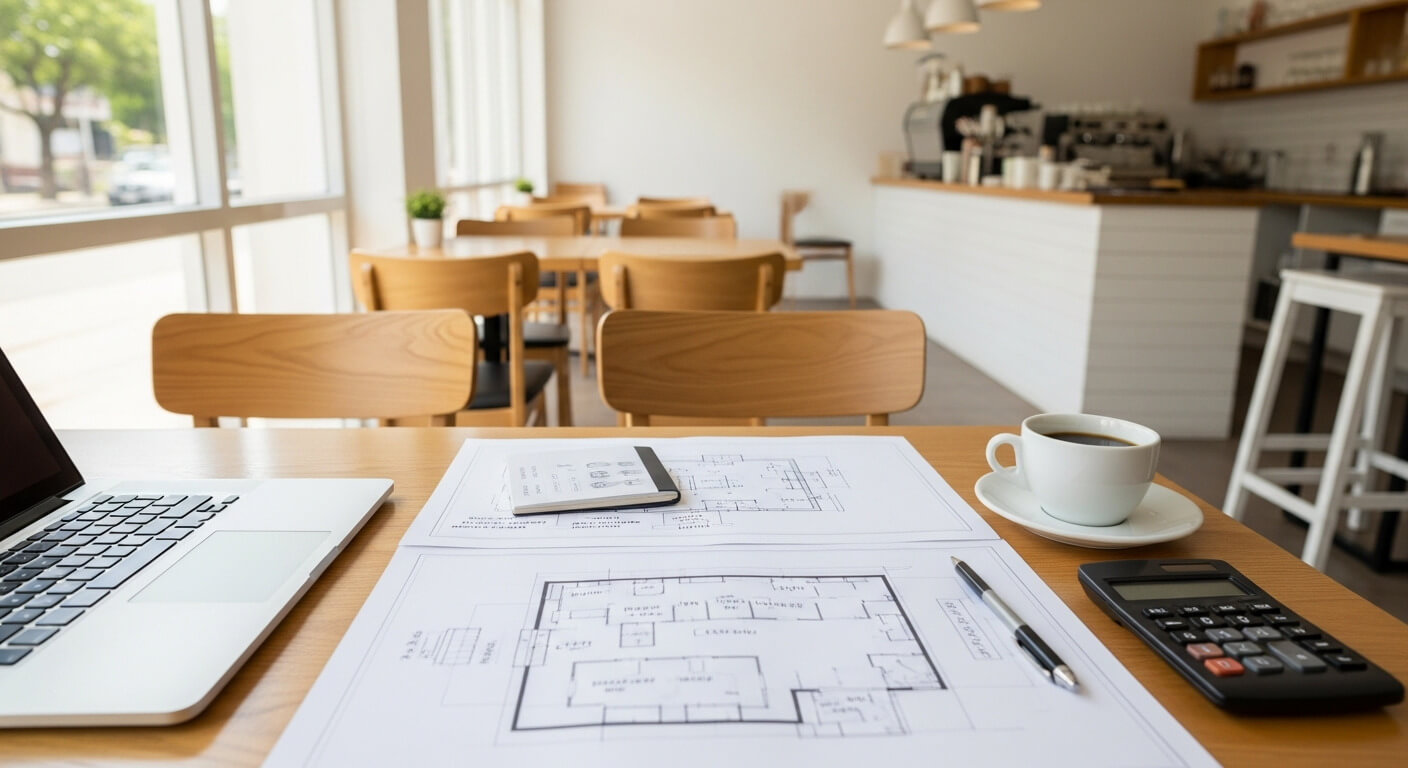
A business plan shows the viability of the idea. Starting without one is dangerous.
Break down expense categories. Cafe premises — rental or purchase. Cafe equipment — stoves, refrigerators, coffee machines, furniture. Renovation and contracts. Product stock for the first month. Salaries until break-even.
Calculate the break-even point. How many guests need to be served daily to cover fixed costs. Account for seasonality — in summer, foot traffic can drop by a third.
A cafe business plan covers a year ahead broken down by months. Plan for a pessimistic scenario. Better to have a reserve than face a cash gap.
Opening costs include unforeseen expenses. Add an additional 10-15% on top for emergencies.
The cafe premises determine half the success. A bad location kills even excellent cuisine.
Criteria for choosing premises: foot traffic, visibility from the street, parking availability, transport accessibility. The first floor is preferable to the basement.
Check utilities: water supply, sewage, electrical capacity. The kitchen needs three-phase power. Ventilation must meet food service standards.
Coordinate the layout with sanitary services in advance. Requirements for production premises are strict: separate zones for storage, cooking, and dishwashing.
What documents are needed to open a cafe is a common question from beginners. The list depends on the format and regional requirements, but the basic package is standard.
Business registration in the established form. Registration with tax authorities. You need to register before starting operations.
A permit from sanitary services is obtained after inspecting the premises. A conclusion on compliance with sanitary standards is mandatory. The fire service checks evacuation exits and safety systems.
What other documents are needed: medical books for staff, product certificates from suppliers, contracts for waste removal and disinfection.
The process takes from one to three months. If you plan to open an establishment by a certain date, start processing documents in advance.
Choose equipment based on the menu. The list for a coffee shop differs from that for a cafe with a full kitchen.
Basic set: refrigeration equipment, stoves, work tables, dishwasher, hall furniture. A coffee shop adds a professional coffee machine and grinders.
Look for food suppliers with payment deferral options. Product turnover in food service is high, paying immediately is unprofitable.
Test several suppliers in parallel for the first two months. Compare quality, prices, delivery reliability. Then keep two or three main ones.
Signing a contract with a backup supplier is the right decision. The main one may let you down during peak season.
Staff recruitment should start at least three weeks before launch. Time is needed to train them in your business standards.
Basic composition of a small establishment: manager, chef, two waiters, dishwasher. The schedule is made in shifts accounting for peak hours.
Train the team to work with the menu, service standards, and cash register procedures. Conduct trial shifts to fine-tune processes.
Staff turnover in food service is high. Allow time for finding replacements. Keep contacts of verified candidates in reserve.
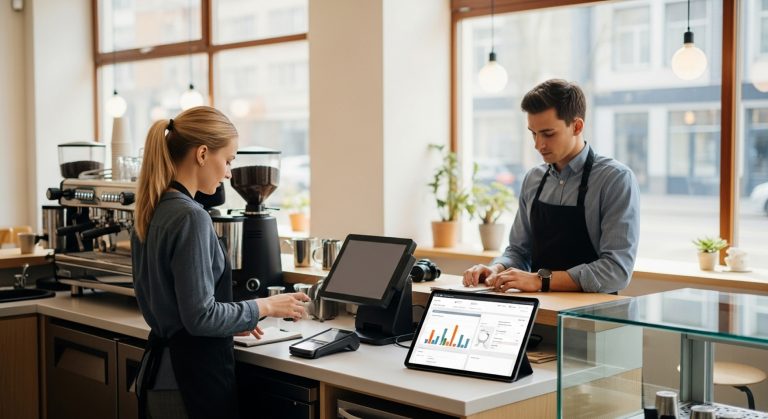
Motivation affects service quality. Design a bonus system for meeting plans, absence of complaints, and accuracy in work. CRM for coffee shops allows tracking each employee’s effectiveness and creating an objective bonus system.
Warehouse accounting automation saves time and reduces losses. Manual accounting leads to shortages, inventory errors, and supply problems.
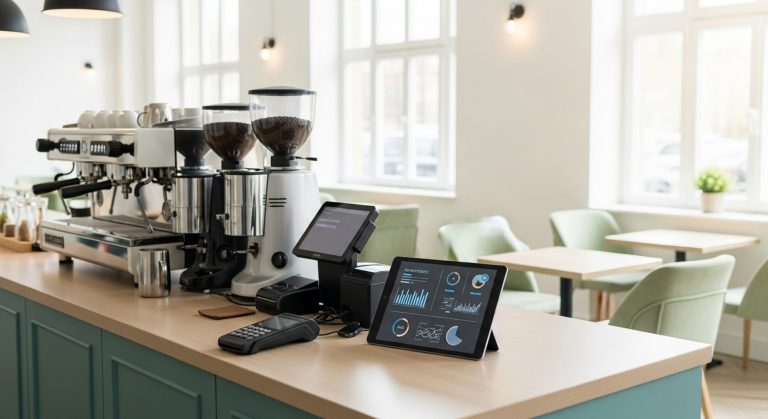
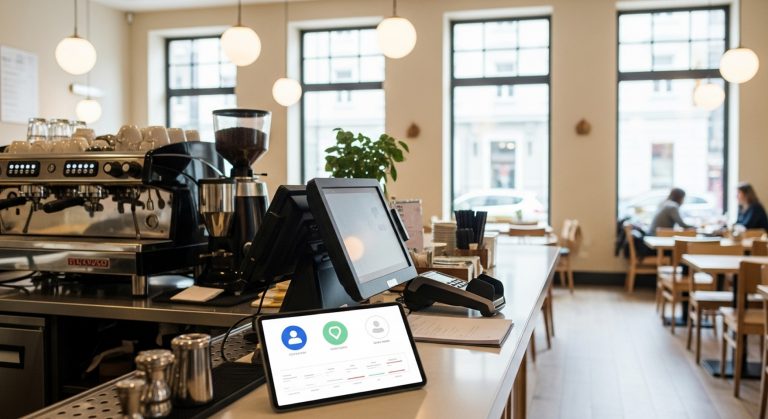
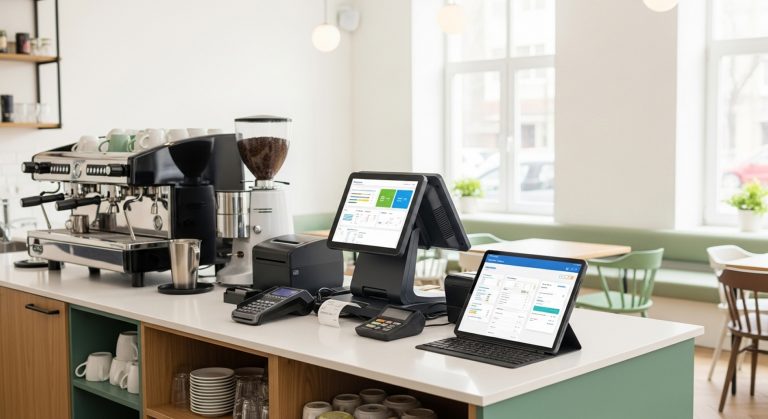
Install an automation system before opening. Restasystem synchronizes the cash register, warehouse, and kitchen into a single network. Inventory is recalculated automatically after each sale.
A guest database helps remember preferences and set up loyalty programs. Regular customers bring up to 60% of revenue.
Syrve software generates reports on sales, dish popularity, and shift workload. You see which items are ordered more often and plan purchases more accurately.
The program writes off ingredients by dish calculation automatically. Inventory takes minutes instead of hours.
Initial setup requires entering the menu, recipe cards, and warehouse inventory. Most owners figure out the interface in two to three days. Technical support helps at the start.
A smooth establishment opening reduces risks. Invite friends and acquaintances for trial days. Get feedback, fix shortcomings before the official start.
Announce the opening date two weeks in advance. Launch advertising on social media, hang a banner on the facade, arrange publications with local communities.
The first month you adjust processes. The menu may be excessive — remove items with low demand. The staff schedule doesn’t always match actual workload — redistribute shifts.
Monitor reviews. Negative feedback at the start kills reputation. Respond to comments, fix mistakes quickly.
Your establishment reaches stable operation in three to four months. Until then, keep a reserve of funds for unforeseen expenses.
Opening your own cafe is realistic in four to six months from idea to launch. The sequence of stages is critical. Skip approvals and you’ll get fines. Save on automation and you’ll lose control over accounting.
Restasystem works with establishments of any format. Setup support is included. Most clients launch the system in a week and reduce shortages by 10-12% in the first month of operation.