Syrve Cafe Accounting System: Complete Feature Overview and Real Cases
30 January 2026
Read
Loyalty systems increase visit frequency by 25-40% with proper setup. Restaurant owners often launch programs chaotically — issue discount cards to everyone, don’t analyze results, lose money on unjustified bonuses.
Loyalty program works only when integrated with accounting system. Otherwise impossible to track who spent how much, which dishes they order, when they last visited. Cafe software automatically records each client purchase and accrues bonuses without waiter participation.
Discount format provides fixed discount to regular clients. Card with 10% discount after first visit works simply but doesn’t motivate spending more. Guest received discount and is satisfied with current benefit level.
Bonus mechanism accumulates points for each order. Spent conditionally 100 units — received 10 points usable on next visit. Accumulation stimulates returning more often and spending more to reach next level.
Bonus programs divide into levels: bronze, silver, gold. Each level gives more privileges — increased cashback percentage, priority booking, compliments from establishment. Status motivates client to raise their level through increasing visit frequency.
Introducing programs with personalized offers works better than universal discounts. Guest always orders morning coffee — send them promo code for free dessert with coffee. Prefers steaks — offer tasting of new menu item.
Restaurant loyalty system is configured for business specifics. Coffee shop accrues bonuses per cup, restaurant — per check amount. Format depends on average check and target audience visit frequency.
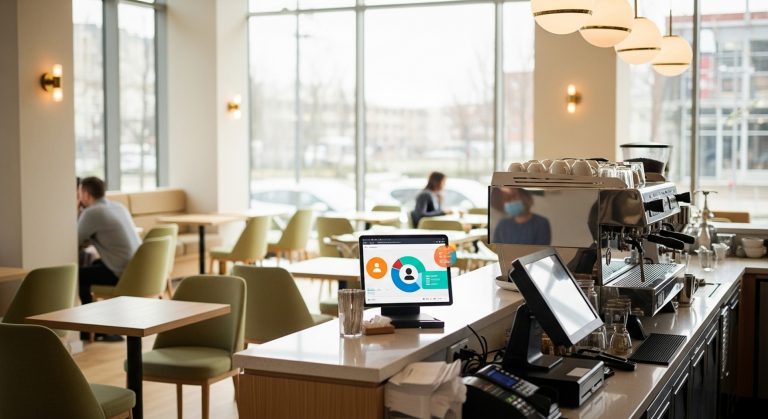
Cafe automation on tablet allows waiter to see client status immediately upon entering card number or phone. How many bonuses accumulated, what program level, what personalized offers active — all information on screen in a second.
Accrual rules can be configured flexibly. For breakfasts accrue double points, for weekday orders — increased cashback. Stimulate desired client behavior through changing program conditions.
Program usage statistics show which clients are active, who hasn’t visited long, who spent most per month. This data is used for personalized mailings and returning departed guests.
Risks relate to incorrect program economics calculation. Too generous bonuses eat margin, too modest — don’t motivate returning. Important to analyze single order value and stable average check before setting cashback percentage.
Marketing miscalculation — giving same conditions to everyone. New guest receives same bonuses as regular client. More correct to segment audience and offer more to those already loyal to establishment.
Implementation cost is recouped through increasing repeat visits. Attracting new client costs 5-7 times more than retaining existing. Restaurant loyalty programs work exactly for retention.
Program rules must be compiled understandably for guest. Complex bonus accrual and redemption schemes scare away. Client should understand in 30 seconds how system works and what benefit they’ll get.
Loyalty system is connected with client database and order history. Each visit is recorded with linkage to guest card. You can see what they ordered, how much spent, when last visited.
Client profile contains menu preferences, average visit frequency, favorite dishes. This information is used for personalized offers. Waiter sees what guest usually orders and can recommend novelty in similar category.
Syrve cloud synchronizes data between all network locations. Client accumulates bonuses at one establishment and spends at another. Database unified for all locations.
Marketing campaign planning is built on database analysis. You can see how many clients haven’t visited for month, which dishes are declining in sales, when attendance drops. Targeted mailings are launched for specific segments.
Client management through CRM automates communication. Birthday — automatic SMS with congratulations and promo code. Month without visits — reminder about accumulated bonuses. System does this without manager participation.
Program effectiveness is measured by repeat visit frequency and participants’ average check versus regular guests. If program participants come 30% more often and spend 15% more — program works.
Income increase must cover bonus costs. Restasystem shows how many bonuses issued, how many redeemed, what’s program’s real cost. Important to analyze not participant quantity but revenue increase from them.
Program testing stage lasts 2-3 months. During this time statistics accumulate for determining optimal parameters. May need to adjust accrual percentage or level transition conditions.
Repeat visit frequency grows when client sees real benefit. Accumulated bonuses for free dessert in three visits — this is understandable and achievable goal. Motivates returning sooner.
Regular client share should constitute 40-60% of total flow for stable establishment operation. Loyalty program is tool for achieving this indicator through forming habit of visiting exactly your restaurant.