Cafe Automation: Accounting, Cash Register and Turnkey System
22 January 2026
Read

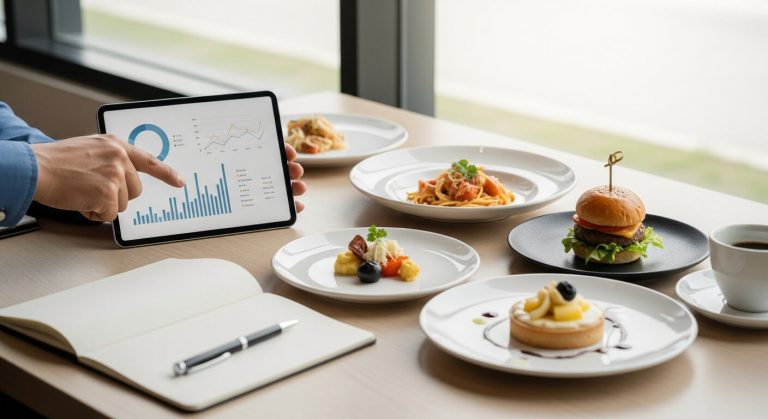
Sales analysis shows demand structure and each dish profitability. One item ordered 50 times per day with minimal margin, another 5 times with high. Cafe accounting system collects statistics automatically and forms reports by any parameters for management decision making.
Each menu item sale recorded with breakdown by days, hours, categories. Sales quantity analysis helps identify hits and outsiders. Salad ordered 80 times per week, soup 15 times — difference obvious.
Category average indicators show guest preference structure. Hot dishes constitute 45% of orders, salads 25%, desserts 15%, drinks 15%. Deviation from food service average values signals establishment specifics or menu problems.
Low popularity dish category requires detailed analysis. Perhaps problem in name, description, presentation, taste. Guest doesn’t understand what dish is — doesn’t order. Waiter doesn’t recommend item — sales drop.
Software for cafe optimization shows each dish marginal income considering all ingredients. Calculation recalculated automatically when purchase prices change. Restaurant owner sees real item profitability in current prices.
Menu items evaluated not only by profit but by impact on overall average check. Desserts ordered by 30% of guests but they increase average check by 15-20%. Removing desserts means losing these additional sales.
Menu composition configuration begins with removing unprofitable low-demand items. Each dish requires ingredient storage, cooking time, menu space. Item ordered once per week doesn’t justify costs.
Which dishes to develop determined through target audience preference analysis. Business lunches in office district, family dinners in residential, quick snacks near transport hubs. Menu adapts to location requests.
Novelty added to menu after demand testing. Launched dish as special offer, watched guest reaction, evaluated order quantity. Only after interest confirmation does item enter permanent menu.
Seasonality affects sales structure. Summer increases demand for cold soups and salads, winter for hot dishes and warming drinks. Regular menu review considering season maintains offer relevance.
Waiter service affects average check through recommendations. Trained staff offers additional items, desserts, drinks. One waiter generates 20% higher average check than another with equal hall workload.
Order acceptance automation through waiter tablets reduces error quantity. Guest ordered salad without onion, information accurately reached kitchen without distortion during verbal transmission. Accuracy increases satisfaction and repeat visits.
Menu expert analyzes not only sales numbers but guest feedback. Reviews show what people like, what disappoints, what requires improvement. Combining quantitative data with qualitative feedback gives complete picture.
Promoting profitable dishes possible through visual menu highlighting, waiter recommendations, special offers. Photo placement, bright description, category beginning naming attract visitor attention.
Increasing check helped by combo offers. Burger with potatoes and drink cheaper than separate purchase. Guest gets benefit, restaurant increases sales volume and kitchen load.
Pricing impact on demand checked through testing. Raised price by 10% — tracked order quantity change. If demand dropped less than 10%, increase justified. If more — price returns to previous level.
Syrve accounting system records each menu change effect. Added new dish — you can see how it sells by days. Removed item — demand redistribution to other categories noticeable.
Bringing stable profit possible only with data-built menu. Entrepreneur understands sales numbers, comprehends cost structure, sees demand dynamics. Decisions made based on facts, not intuition.
Improving indicators possible gradually through small changes. Removed 5 unpopular items, added 3 new, adjusted prices on 10% of assortment. A month later evaluated result by statistics.
Noticing problems timely helped by regular key metrics monitoring. Specific dish sales dropped — investigate reasons immediately. Ingredients changed, chef left, competitor launched similar item cheaper.
Fixing low restaurant profitability situation possible through systematic menu analysis approach. Restasystem provides data for all sales parameters automatically. Owner concentrates on strategy, numbers form without manual work.
Profitable restaurant built on balance between guest preferences and item economic effectiveness. Menu contains visitor favorite dishes with acceptable margin and several premium items with high markup. Analyzing data regularly, adjusting menu based on each month results — restaurant business revenue growth foundation.