Cafe Automation: Accounting, Cash Register and Turnkey System
22 January 2026
Read
Cafe accounting is conducted manually in 60% of small format establishments. Owners spend 10-15 hours per week counting inventory, reconciling invoices, controlling write-offs. Error margin reaches 12-18% due to human factor and lack of connection between warehouse, kitchen, cash register.
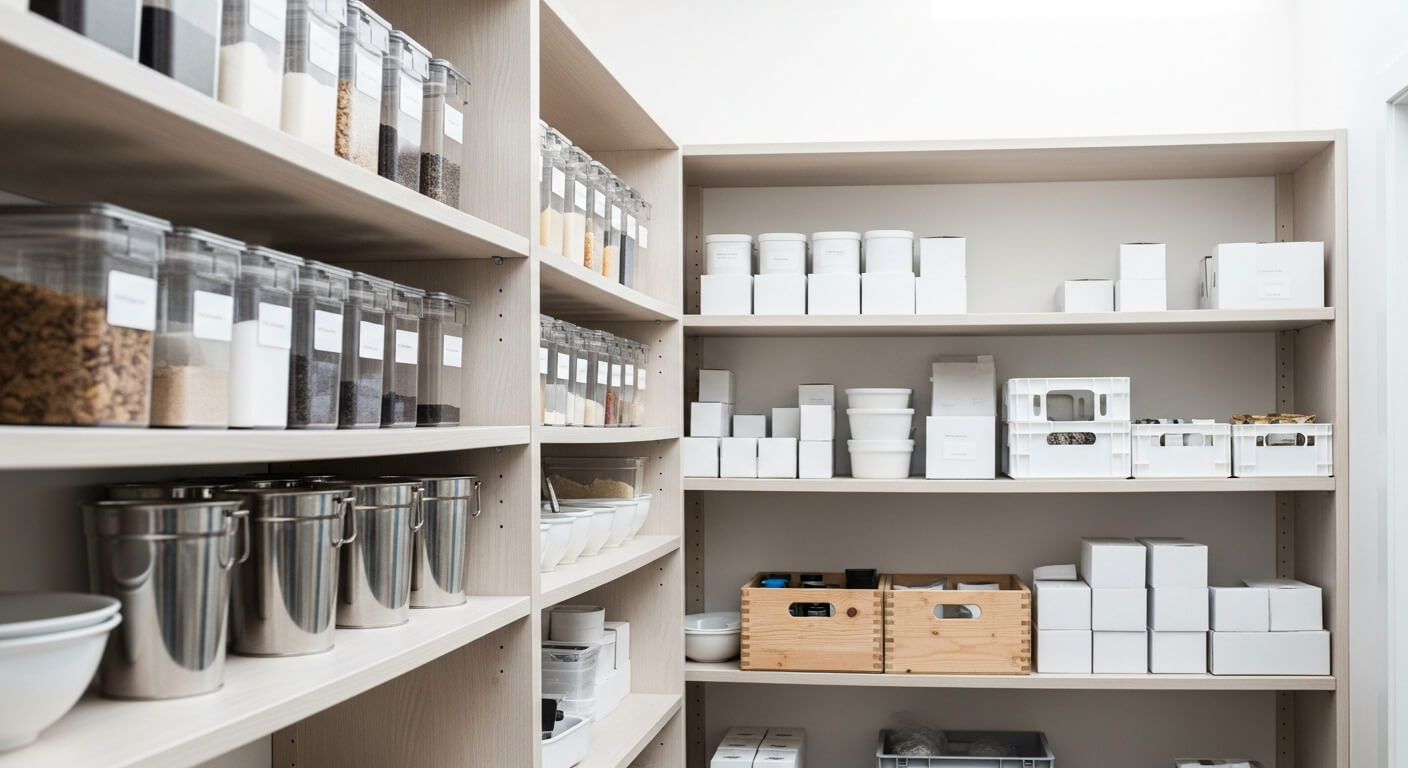
Warehouse accounting in cafe directly determines business profitability. Shortages, product spoilage, write-off errors eat margin imperceptibly. Warehouse accounting cafe through automated system shows movement of each product from delivery to guest in real time.
Warehouse without automation becomes source of constant financial losses. Products run out at most inopportune moment, supplier orders formed by eye, expiration dates controlled selectively.
Product write-offs conducted with delay. Chef prepared dish in morning, data entered into table in evening. During this time impossible to understand actual ingredient inventory in warehouse. Orders accepted for items already out of stock.
Ingredient consumption doesn’t match theoretical norms due to lack of recipe cards. One chef puts 200 grams of meat in dish, another 250. Cost of one menu item differs by 20-25% depending on shift.
Control problem worsens when working with multiple suppliers. Price for same products changes weekly, invoices arrive in different formats, reconciliation takes hours. Errors during goods receipt discovered several days later when returning defects is already impossible.
System connects all product movement points. Received delivery — goods added to database with invoice and expiration date linkage. Prepared dish — ingredients automatically written off by recipe card.
Inventory management conducted in real time. Each sale instantly subtracts necessary product quantity from warehouse. Owner sees what’s running out, what lies without movement, which items require urgent purchase.
Cafe management system warns about critical inventory and approaching expiration dates. Milk approaching end of term — system signals to use it first. Flour running out — supplier request formed.
Purchasing planned based on consumption statistics. Sales analysis for previous periods shows real product need. No need to keep excess inventory or face popular ingredient deficit.
Cost of each dish calculated automatically when purchase prices change. Supplier raised beef price — program recalculated all steaks’ cost in menu. Proper control allows timely markup adjustment.
Dish cost accuracy determines item margin. Without accounting all ingredients including spices and sauces, real dish profitability distorted by 15-20%. This leads to pricing errors and profit loss.
Each sale receipt linked to specific product write-off. Guest ordered salad — program subtracted from warehouse tomatoes, cucumbers, greens, oil according to recipe. Actual consumption matches theoretical thanks to automation.
Margin report shows which dishes bring main profit and which work at loss. This data used for menu adjustment and focusing on profitable items.
Product expenses constitute 28-35% of revenue on average in restaurant business. Exceeding this indicator signals problems with consumption control or incorrect pricing.
Sales analysis broken down by menu categories shows demand structure. Which dishes ordered more often, what time is peak for certain items, how seasonality affects consumption. Purchase planning built on this data.
Financial activity result becomes transparent. Revenue minus sold dishes’ cost minus operating expenses gives net profit. Each indicator calculated automatically based on actual system data.
Establishment work effectiveness evaluated through key metrics. Inventory turnover, write-off percentage of total purchases, accuracy of product need forecasting. These numbers show warehouse management quality.
Syrve warehouse accounting synchronized with cash register, kitchen, ordering systems. Waiter took order — information reached chefs and simultaneously reserved warehouse products. Eliminates situation when guest orders dish that can no longer be prepared.
Keeping accounting in one system with other processes simplifies control. No need to transfer data between different programs, manually reconcile inventory, search for discrepancies between cash register and warehouse.
Error quantity reduced to minimum. Human factor excluded at write-off stage — program does this automatically. Only errors during goods receipt remain, but even they detected faster through comparison with invoices.
New opportunities open through detailed analytics. Understanding what expense percentage falls on each product category, tracking supplier price changes, forecasting next period expenses.
Inventory control increase achieved through all operations transparency. Each addition and write-off recorded with document, time, responsible employee linkage. Restasystem helps build system where stealing is difficult and errors visible immediately.
Profitability grows through unjustified loss reduction. Establishments reduce shortage by 8-12% in first months after automation implementation. Savings on expired product write-offs constitute 5-7% of warehouse turnover.
In restaurant business manager’s time spent on development, not routine inventory counting. What previously took 10-15 hours per week now done automatically. Owner concentrates on strategy, not operational control.
Business scaling becomes easier. Opened second location — added it to existing accounting system. Centralized control allows managing establishment network through single interface with complete transparency per each location.