
Cafe Automation: Accounting, Cash Register and Turnkey System
22 January 2026
Read
Product write-offs eat up to 15% of restaurant revenue without control. Owners notice the problem after several months of operation when they analyze numbers and discover a gap between purchases and sales.
Proper product write-offs require understanding reasons and accounting methods. Natural loss during storage, processing losses, rejected dishes, expired goods — each category is documented differently. Restaurant accounting system automates the process and shows how much the establishment really loses at each stage from warehouse to guest.
Product consumption is divided into planned and unplanned. Planned losses are included in recipe cards — meat loses 25-30% of weight during heat treatment, vegetables during cleaning from 15% to 40% depending on type.
Unplanned write-offs arise from defects, spoilage, staff errors. Chef oversalted a dish — ingredients need to be written off. Waiter broke a plate with a ready order — another write-off. Each case is recorded separately.
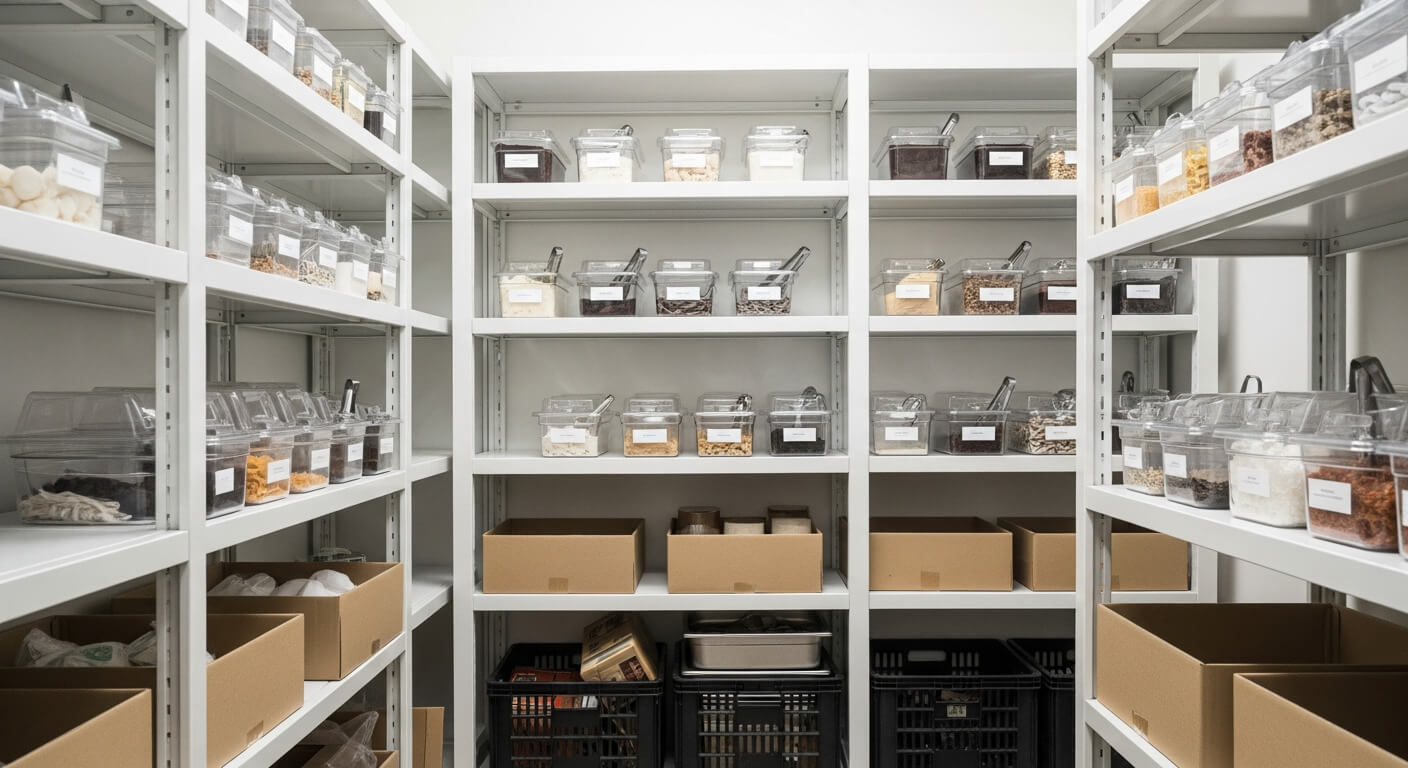
Storage loss depends on warehouse and kitchen conditions. Incorrect refrigerator temperature leads to premature spoilage. Violation of product neighborhood rules accelerates oxidation processes. These factors must be controlled daily.
Surplus during inventory also requires write-off in reverse. If accounting shows there should be 10 kilograms of flour but actually 12 — the difference is capitalized. But this is a rare situation, shortage is more common.
Technological dish calculation includes weight of each ingredient before and after processing. Raw potato weight of 200 grams will yield 140-150 grams of cooked side dish. The difference is written off as technological losses.
Cards are compiled for all menu items without exception. Salad, soup, hot dish, dessert — for each dish precise product consumption is prescribed. Without this it’s impossible to calculate cost and control write-offs.
Restaurant business software stores recipe cards electronically and writes off products automatically upon sale. Guest ordered a steak — program subtracted exact amount of meat, spices, side dish from inventory according to recipe.
Dish cost is recalculated when purchase prices change. Supplier raised beef price by 20% — program instantly shows new calculation for all steaks in menu. Managing pricing without this is impossible.
Ingredient quantity in recipe affects margin. If chef adds 30% more cheese to pizza than specified in card, actual cost grows and profit falls. Portion control is critical.
Write-off reports must be compiled for each category separately. Natural loss is documented in one document per month, defects are recorded upon occurrence, spoilage upon expiration requires separate report.
Write-off report is formed monthly to analyze loss structure. You can see which items have write-offs above normal, where storage problems exist, which dishes go to waste more often. Analyzing this data is the manager’s task.
A month is sufficient period to identify patterns. If meat write-offs are systematically 5-7% higher, problem is either with supplier, storage conditions, or theft. Need to investigate specific causes.
Full accounting requires recording even small write-offs. Broke a bottle of oil — 500 milliliters went into report. Spilled milk when making cappuccino — wrote off volume. Without attention to details the picture is distorted.
Working with documentation takes time with manual management. Paper reports, reconciliation with accounting, error searching — all this slows processes. Automation reduces labor several times.
Warehouse is the first control point for product movement. Receipt from supplier, issue to kitchen, return of unused remainders — each operation is recorded in warehouse accounting system.
Maintaining accounting by batches allows tracking expiration dates. Milk arrived on the 15th with expiration until the 22nd — program will remind to use it first. Products with approaching expiration are written off before spoilage.
Reconciling inventory between warehouse and kitchen should be done weekly. Chefs ordered 20 kilograms of chicken, actually used 18 — 2 kilograms should remain in kitchen or return to warehouse. Discrepancies are identified immediately.
System needs several seconds to generate movement report for any product. When delivered, how much issued, what was written off, current balance. History can be viewed for any period.
Automation help is especially noticeable when working with multiple locations. Restaurants and cafes in different locations require centralized accounting. Seeing inventory at all warehouses simultaneously is critical for purchase planning.
Profit directly depends on write-off control. If establishment loses 15% of products versus normative 8-10%, difference of 5-7% of turnover goes to waste. On monthly revenue these are significant amounts.
Staff training reduces losses from errors. Chef must know dish preparation technology precisely, waiter — correctly take orders so returns don’t occur. Working by standards is the foundation of minimizing defects.
Product storage requires compliance with temperature regime and product neighborhood rules. Fish next to dairy products leads to accelerated spoilage of both. Expensive goods are especially sensitive to conditions.
Worth implementing control of warehouse issuance. Chef takes products under signature, evening reconciles remainders. Becoming materially responsible person means being responsible for product safety. Owner’s task is to build a system where stealing is difficult.
Courier accounting and delivery also affects write-offs. Courier spilled drink during transport — write-off report needed. Order returned due to delay — dish is written off as waste.
Write-off accounting should be part of overall restaurant management system. Counting losses separately is ineffective — need connection with purchases, production, sales. Purchase plan is built based on actual consumption considering normative write-offs.
Restasystem company integrates all processes into single system. From product receipt to finished dish write-off. Money stops leaking through accounting gaps when every product movement is recorded automatically.
Several analytics categories work in parallel. Write-offs by product types, by reasons, by responsible persons, by time periods. Must be clear where exactly main losses occur.
Decisions can only be made based on complete data. Are write-offs higher on weekends due to greater guest flow or lack of kitchen staff? Solution differs depending on cause.
Starting work with accounting system is enough to understand problem scale. First month shows real loss picture. Properly configured accounting pays off through reduction of unjustified write-offs in first months of operation.
Affecting restaurant profitability is possible through controlling each percentage of losses. How much establishment loses now and how much could lose with proper organization — difference shows profit growth potential. Enough to start counting to see reserves. Further business growth is built on precise data, not assumptions. Control level determines financial result.