Accounting and control of staff and couriers in a restaurant and cafe
31 July 2026
Read
Cash gaps, inflated food cost, and “blind” purchasing monthly eat up from 5% to 15% of a catering establishment’s revenue. The problem arises when the owner only sees the remaining money in the account, not the real financial performance metrics. The solution to this problem is professional restaurant accounting and automation, which allows calculating the cost of each dish in real-time, tracking cash flow, and compiling a profit and loss (P&L) statement without manual work in spreadsheets. Digitalization turns chaos in the warehouse and at the cash register into accurate analytics, saving the business’s money.
Restaurant financial management is based on strict control of numbers. Without accurate calculation of expenses and income, the owner simply cannot evaluate the efficiency of the restaurant. Inflation, fluctuations in raw material prices, and changes in the purchasing power of clients require the manager to react quickly to market changes.
Deep financial accounting in the restaurant business ensures financial stability. When you understand your Cash Flow, you avoid cash gaps — situations when it’s time to pay rent or settle with suppliers, but there is physically no money in the cash register. Regular analysis of financial flows allows you to identify weak spots, effectively plan the budget for different periods, and make informed decisions regarding investments or optimization of fixed costs.
For a business to generate stable profit, it is necessary to track the basic metrics of the company’s financial condition daily. Their correct calculation is the main tool for effective management.
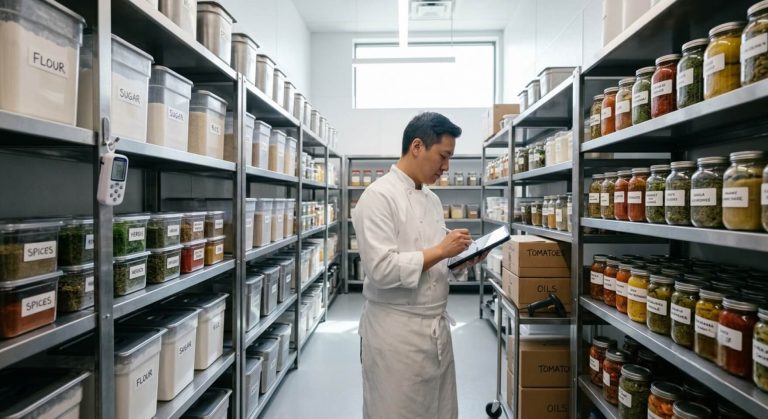
Food Cost is the percentage of ingredient costs relative to the selling price of a dish. The norm for most restaurants and cafes is considered to be in the range of 25-35%. Reducing food cost by even 2% dramatically affects the increase in net profit. To do this, you must strictly control purchases, work with suppliers to lower purchase prices, and use electronic inventory forms that minimize theft. Accurate cost calculation is based on technological charts: when restaurant accounting is digitized, grams of raw materials are automatically written off with every closed check.
Margin shows how much profit a specific menu item brings after deducting its cost. At the same time, overall profitability reflects the ratio of net profit to the total income of the establishment. To increase these indicators, it is important to conduct regular analysis and analyze the average check in detail.
This is where ABC menu analysis comes to the rescue — an analytical tool that classifies goods into three groups: those bringing the most income (A), medium (B), and outsider items (C). This simplifies assortment management: you know exactly which dishes to push to top sales using marketing strategies, and which to remove forever so as not to freeze stock in the warehouse.
A modern cafe accounting system automates data collection, turning it into clear reports for the owner. From Restasystem’s implementation practice: establishments that transition to strict digital control reduce uncontrolled product write-offs by 3-5% within the very first weeks of operation.
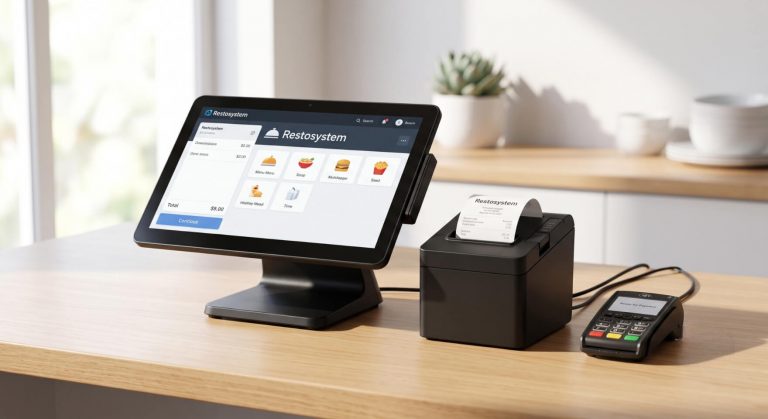
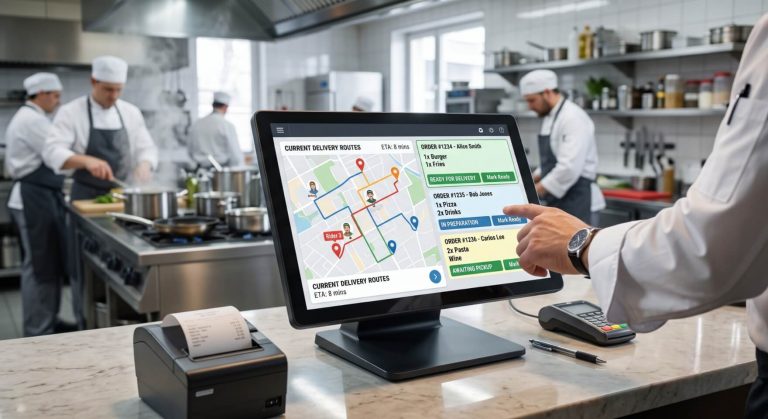
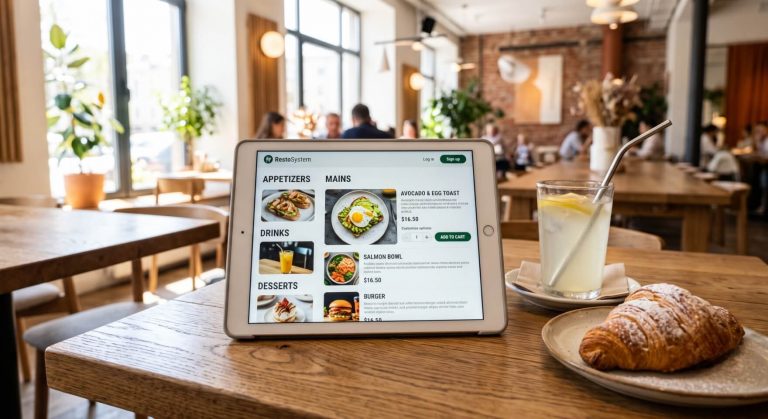
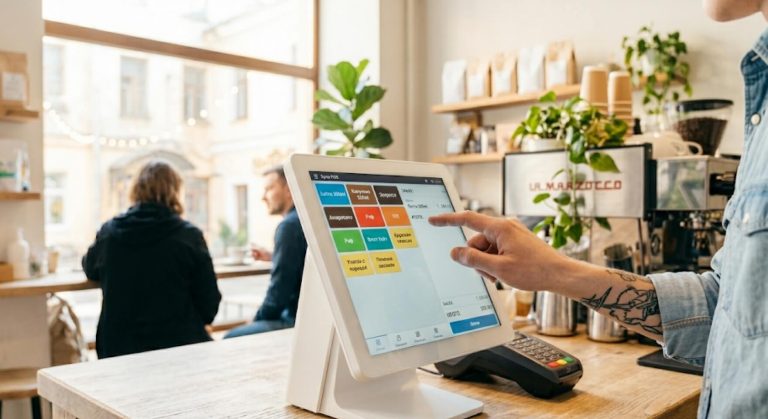
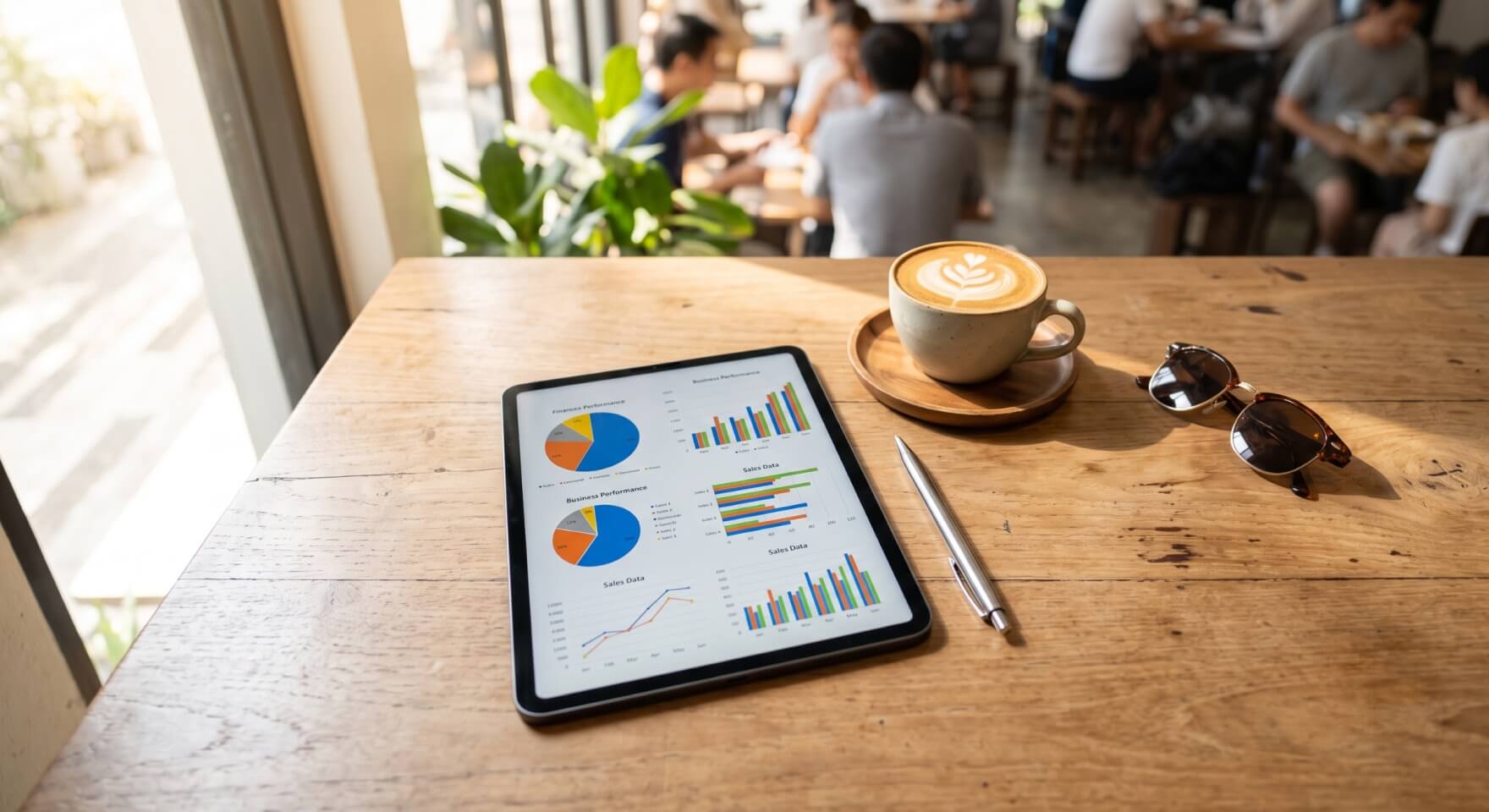
The professional Syrve restaurant program provides an intuitive POS interface that a cashier can master in 15 minutes. The cash register works and punches checks even without the internet, and all transactions are reliably pulled into the cloud once the connection is restored. The mobile waiter SyrveWaiter allows taking orders right at the client’s table, from where the data instantly flies to KDS screens in the kitchen. Meanwhile, the business owner gets a dashboard panel right on their smartphone: interactive sales graphs, P&L, current raw material balances, and the restaurant’s overall financial reporting are available 24/7. Deep automation allows detecting any deviations in metrics instantly.
Financial planning starts with the complete digitization of primary documents. Enter all invoices into the system, set up correct technological charts, and launch strict accounting of restaurant income and current expenses.
Use modern financial analysis tools to evaluate results for a week, month, or quarter. Managing a restaurant or cafe should be based solely on accurate analytics. An organized approach allows you to reduce costs, increase profitability, and guarantee the profitability of your establishment even in crisis periods. Metric analytics and prompt response to deviations are the foundation upon which a stable restaurant business is built.