Fiscalization in an establishment: PRRO, online cash register, and POS system integration
28 September 2026
Read
Losses from theft, spoiled raw materials, and staff negligence eat up to 5-10% of the establishment’s turnover monthly. The lack of strict digital control turns potential profit into constant losses. To stop this process, the owner needs transparent accounting and digitization of all product movements. If you need automation, get ready to invest in three key components: a software license, POS equipment, and launch specialist services. The cost is formed individually for each facility, but the payback period for restaurant software is usually a few months. This is achieved through an instant reduction in food cost, identification of “blind spots” in procurement, and optimization of work with suppliers.
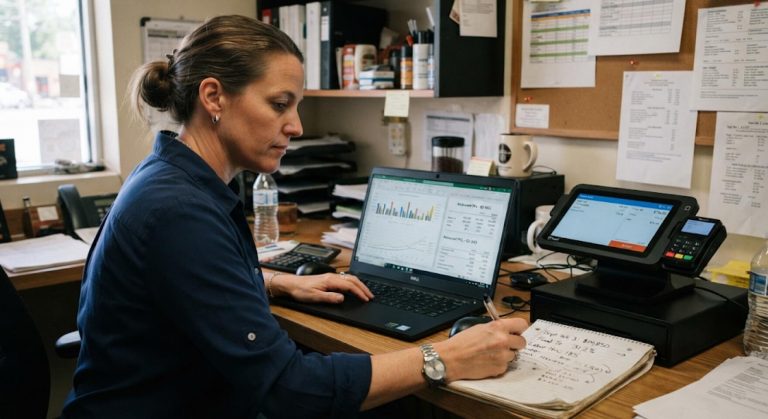
Budget restaurant automation for one cash register or large-scale integration for a large chain — both scenarios require clear expense planning. The financial load is divided into several blocks. The first is cafe automation software, which is responsible for inventory management, financial reports (P&L), and customer loyalty program management.
The second block is the hardware part: POS terminals, fiscal registrars, tablets, and kitchen screens. The third component is integrators’ services: employee training, building the logic of business processes, and configuring third-party services (from connecting a software fiscal registrar to working with IP telephony). Competently implemented cafe automation will help immediately identify hidden business payments and minimize cash gaps. Full-fledged cafe management is impossible without understanding every expense item.
When the decision is made to buy an accounting system for a restaurant, the manager is always interested in the software deployment format. Old boxed versions require purchasing powerful servers, PCs, and hiring a full-time system administrator, which freezes a large sum at the start. In contrast, modern cloud accounting software works on a SaaS (subscription) model. The database is stored in a secure cloud, which guarantees the protection of commercial information from physical loss.
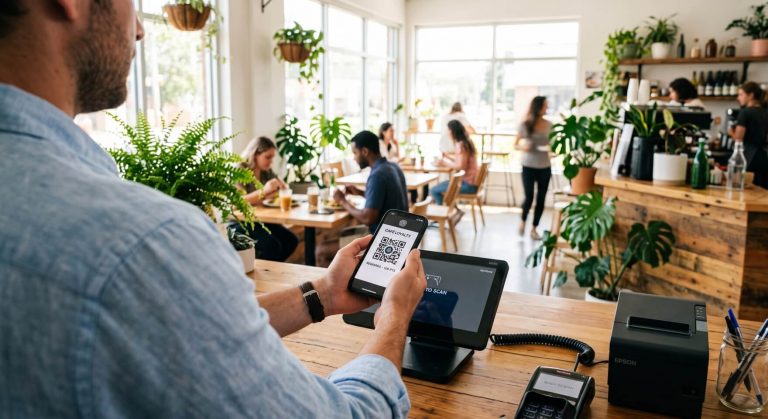
A cloud-based cafe automation program allows you to monitor balances in real-time, see exact product movements, analyze margins, and run payroll remotely. When choosing a system, remember that restaurant automation price in Ukraine today is based on monthly or annual payment plans. A flexible cafe system must seamlessly support iOS, Android, and Windows so that the owner can view sales dashboards on their phone from anywhere in the world.
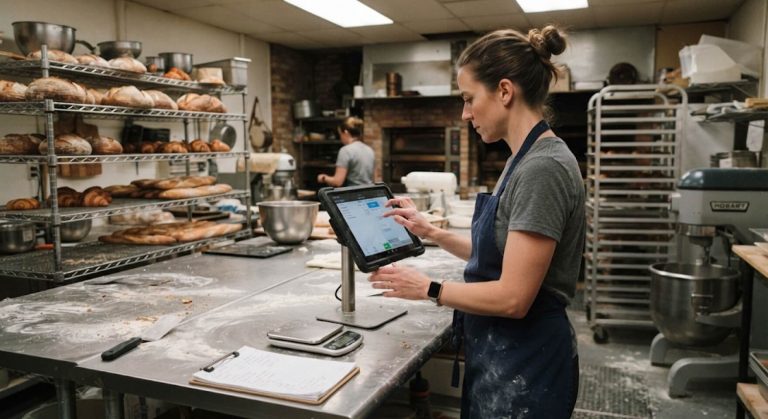
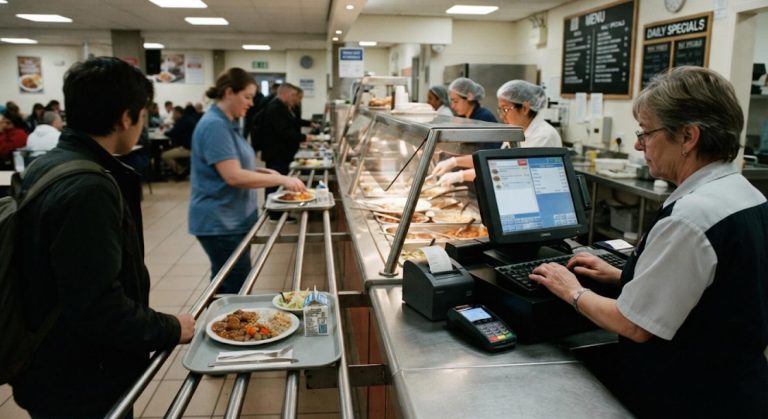
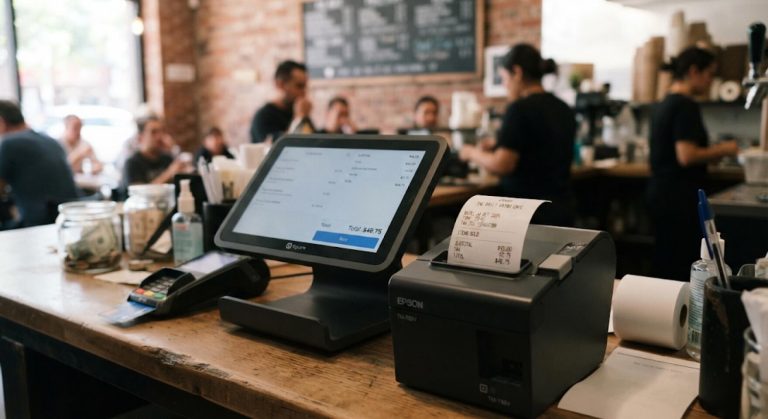
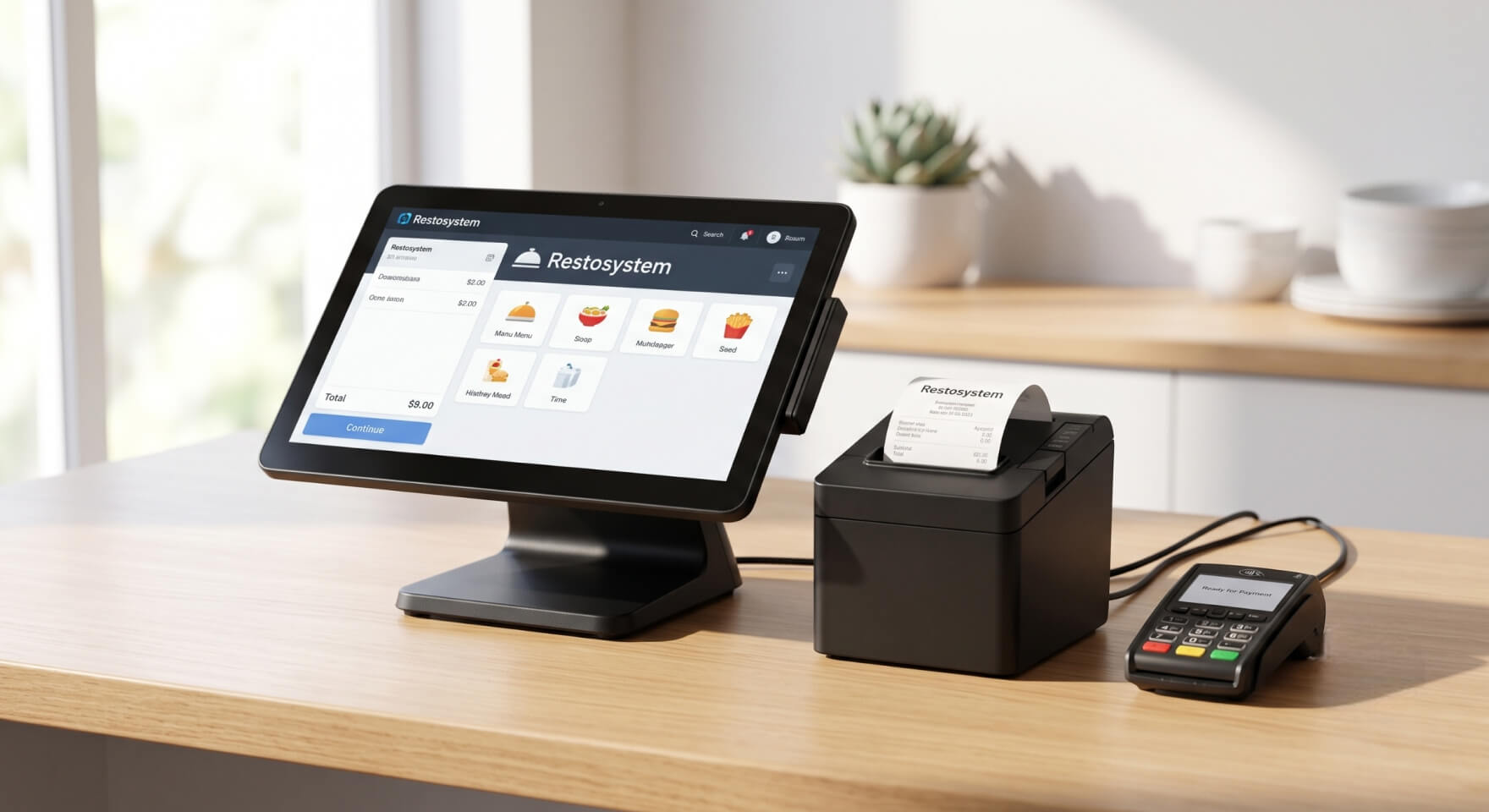
Attempts to save on hardware most often end with the terminal freezing during full seating. The basic configuration for coffee shops or small fast-food formats (street food) includes a reliable touch candy-bar POS, a fiscal receipt printer, and a cash drawer. For micro-formats, a tablet cafe app is perfect, providing mobility and saving space on the bar counter.
For a full-fledged establishment with shop division, an expanded cafe accounting system is needed. Here, KDS screens for the kitchen are added (instead of paper order tickets) and a mobile waiter (SyrveWaiter app), allowing staff to punch in dishes right at the table. As a result, order processing speed increases, and guests receive service without delays. Cafe inventory control and regular stocktaking are significantly accelerated thanks to data collection terminals (DCT). The choice of equipment directly affects the cashier’s convenience and the overall level of cash discipline in the restaurant.
From the practice of implementing the Restasystem ecosystem: even the most powerful accounting program will turn into a regular calculator if the database is configured poorly. Professional turnkey cafe automation includes a detailed audit, creating a correct nomenclature, and calculating routing files taking into account losses during cold and hot processing.
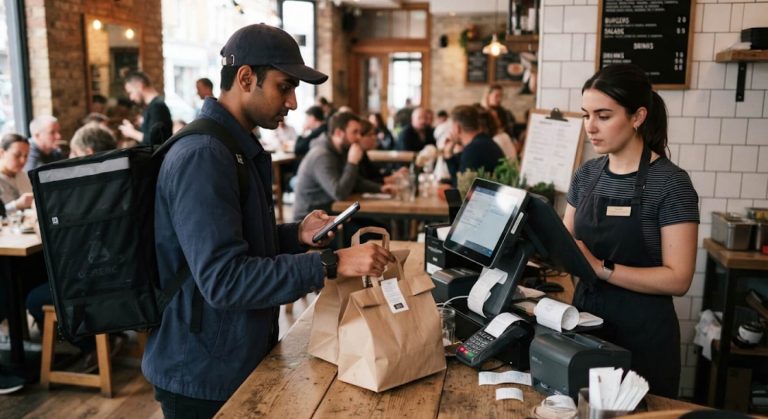
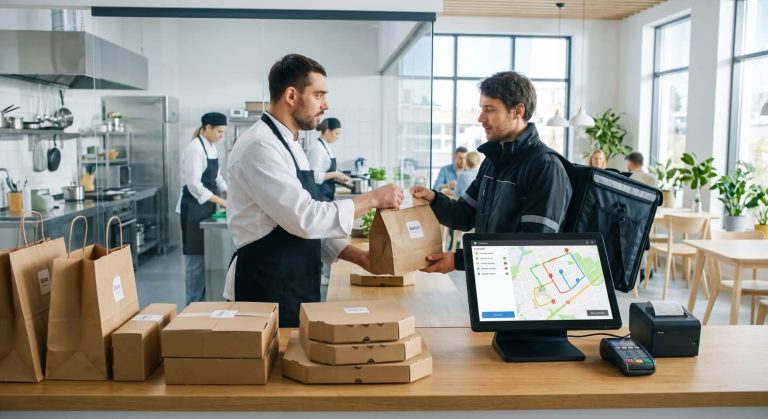
The cost of implementation depends on the scale and depth of settings. Setting up integration with delivery aggregators, connecting a software fiscal registrar (so that the fiscal receipt is generated and sent to the tax office automatically), training chefs and waiters — all this forms the foundation for uninterrupted work. A cashier usually masters an intuitive POS interface in 15 minutes, however, the management back-office requires serious immersion. If this stage is ignored, invoices will not be entered on time, negative balances will appear, and accounting automation will turn into chaos.
By choosing Syrve software, you invest in a highly scalable management system. For a single location, the basic plan is quite enough: POS software, fiscalization, order control, basic reporting, and accounting. If you have an extensive chain of cafes and restaurants, you need an automation program with advanced modules: menu ABC analysis, centralized procurement management, detailed profitability tracking, and management of complex customer loyalty programs.
Syrve guarantees stability: the register prints receipts and serves clients even without Internet access (data is synchronized after the connection is restored). This cafe automation system connects the work of the front of house, kitchen, warehouse, and accounting into a single digital mechanism. Deep process analysis and wide integration capabilities of restaurant automation systems take the routine off the staff, allowing you to focus on scaling the business and providing the best customer service.