QR menu as a replacement for printed ones: how much an establishment actually saves
3 September 2026
Read
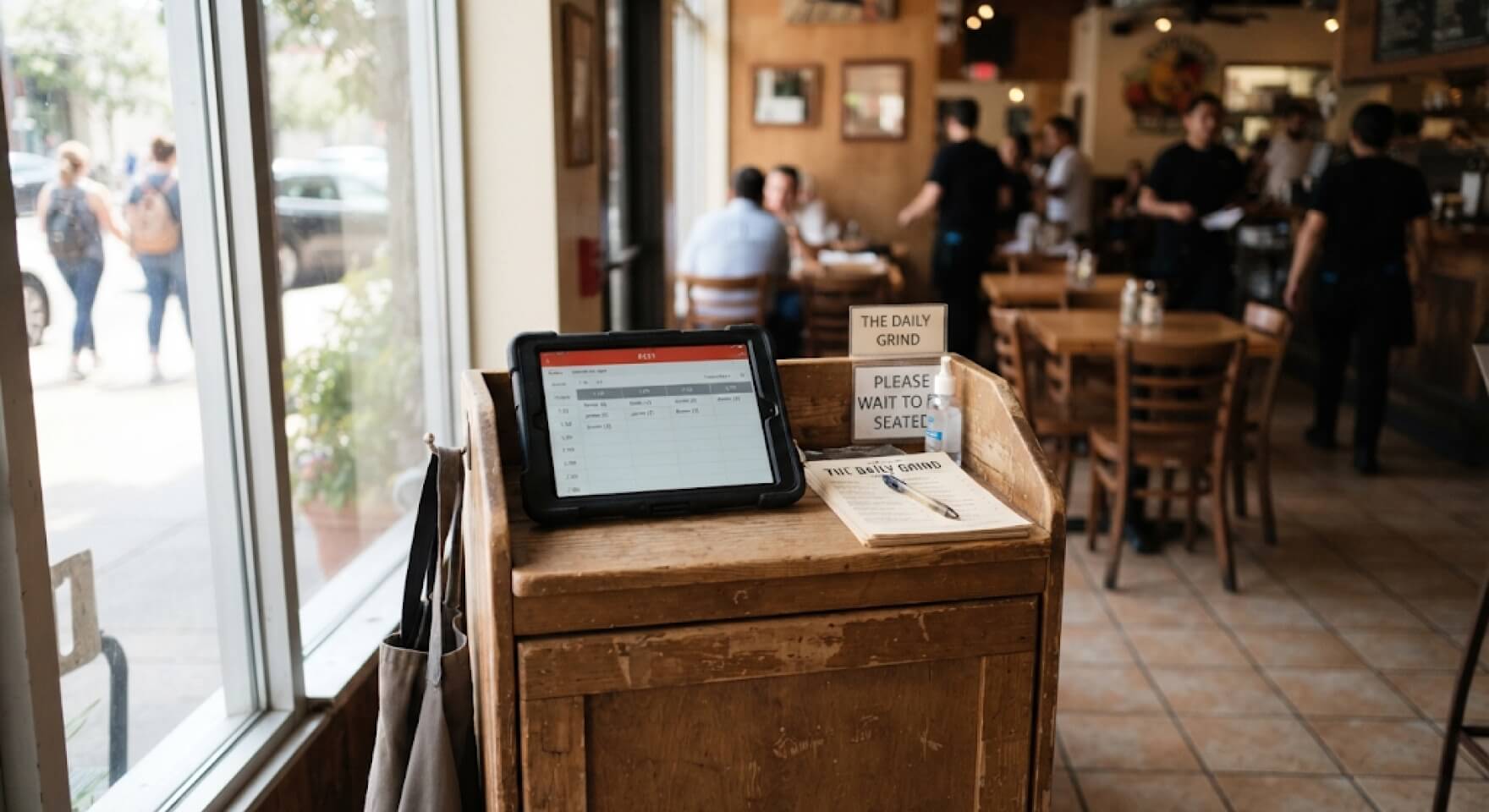
An empty table on a Friday evening is not just an inconvenience, it is a direct blow to your business’s profitability. When a guest forgets about a visit or an administrator simply mixes up dates, the establishment loses money on written-off food prep and misses out on profit margins. A modern restaurant table reservation system solves this systemic problem through strict digitization of processes. Instead of paper chaos, you get precise control over hall occupancy. The no-show rate in the restaurant drops to a minimum, and the average check grows thanks to the ability to make pre-orders.
Keeping track of seating in a notebook means working blind. The hostess is often distracted, doesn’t have time to write down a phone number, or mixes up current bookings. As a result, guests arrive at already occupied tables, the level of service drops, and the daily P&L records a dip in revenue. A paper notebook cannot send automatic reminders. This is an exclusively manual and inefficient process. Full-fledged restaurant management automation eliminates the human factor. The investment in a quality program pays off in the very first weekend when you stop losing bookings.
An interactive restaurant hall map is your main occupancy radar. It allows you to flawlessly track seating statuses in real time. In a Syrve-based solution, a conveniently configured interface shows exactly which tables are currently free, where guests are already asking for the bill, and where the meal has just begun. This helps the administrator react instantly to the flow of clients. Visual control over what is happening at the tables allows for effective coordination of the waiters and the kitchen.
Today, clients don’t want to call. They independently book a table via social networks, your branded website, or directly in a mobile app. Professional online table booking brings all these digital channels into a single database. A request from an Instagram page instantly appears on the POS terminal screen. Setting up such online booking means guaranteed capture of a lead at the moment of decision-making. Any booking in your establishment becomes seamless.
A high no-show rate is the main enemy of stable evening seating. People book tables at a restaurant in several places at once, and then simply forget to cancel unnecessary reservations. To reduce such losses to zero, the table reservation system must work proactively. Sending trigger SMS reminders about an upcoming visit reduces no-shows by almost half. If the client clicks the cancel button, the table automatically becomes available in the system for others.
For Friday evenings and weekends, you should definitely introduce a booking deposit. This is a reliable financial guarantee for your seating. Reliable software allows you to securely accept online payments precisely at the moment a person tries to book a spot. Deposits should not be used on quiet weekdays. This creates an unnecessary barrier to seating. During periods of high demand, these are necessary tools for profit protection, while the payment is automatically recorded in your accounting system according to the selected tariff.
Any progressive booking system easily integrates with external mailing services. This permanently frees staff from hundreds of routine calls to clients. The algorithm automatically sends a request to confirm the booking 24 hours before the expected visit. A lack of response allows the reservation to be cancelled automatically.
Every new reservation is a data collection point for important analytics. When you implement a restaurant CRM system, you see not just a name, but the guest’s complete history. The system stores their favorite dishes, average check, and frequency of visits. A hall employee can offer a signature dessert even before the visitor opens the menu. This thoughtful functionality allows you to systematically increase audience loyalty. To turn a one-time order into powerful cafe marketing, use the collected database for RFM analysis. The main thing is to know exactly how catering CRM works: how to choose a solution that won’t be disconnected from inventory accounting.
For large groups, a regular entry is not enough. You need to arrange a pre-order, calculate the food cost, take an advance payment, and evenly load the kitchen. Modern restaurant booking automation easily generates detailed banquet sheets. Most restaurants lose part of their margin precisely due to confusion in documents. A unified database in catering establishments eliminates such errors. Chefs can see the actual volume of prep work in advance.
When choosing software for table reservations, thoroughly study its technical foundation. A quality table reservation information system operates as a single entity with the cash register.
A basic checklist for restaurant reservations: