Fiscalization in an establishment: PRRO, online cash register, and POS system integration
28 September 2026
Read
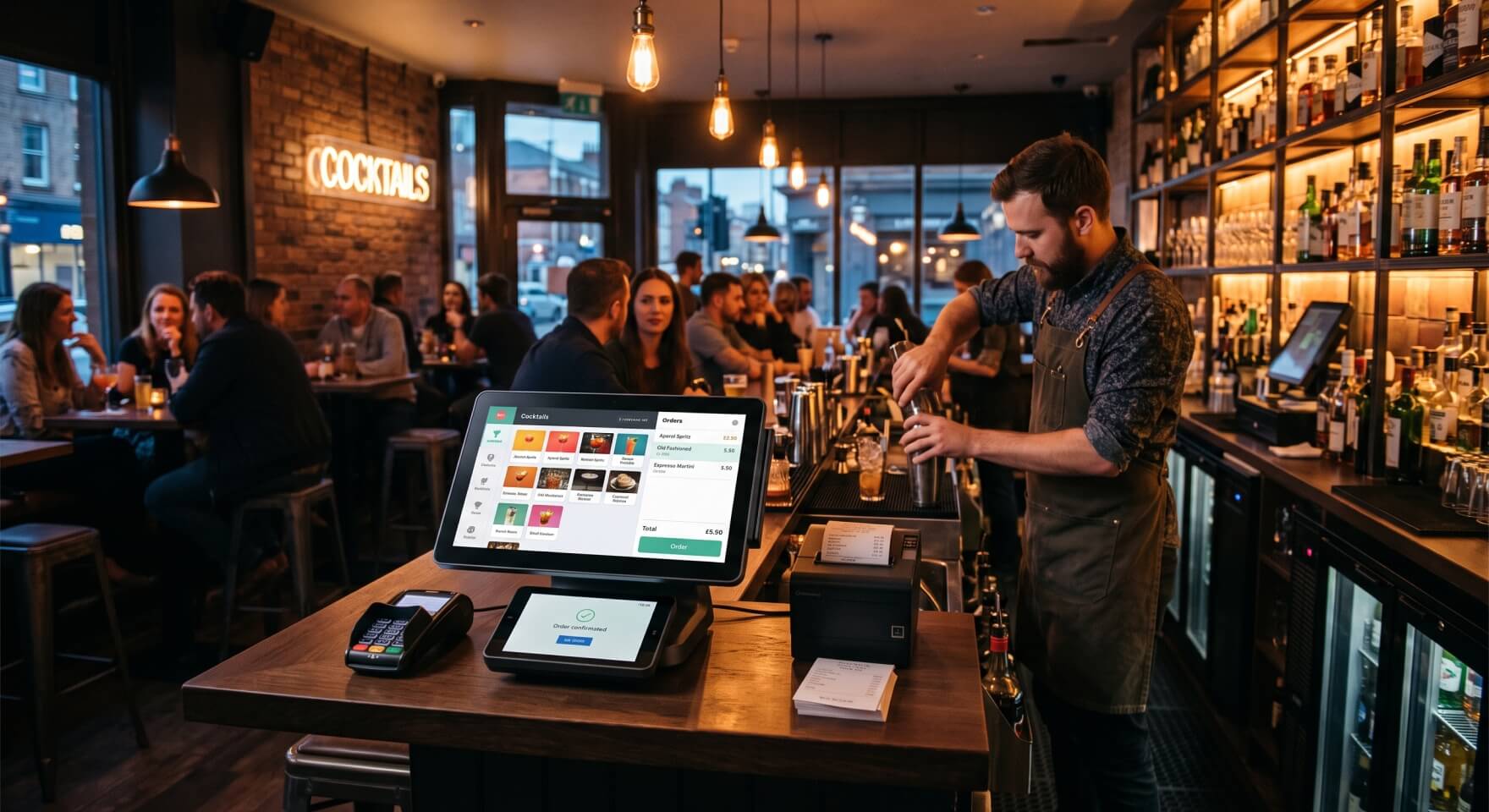
Uncontrolled pouring, “fake” receipts, and discount manipulations eat up to 20% of a drinking establishment’s profitability every month. These are real business losses. The automation of bars and club formats differs radically from managing a classic restaurant due to transaction speed and the specifics of writing off alcohol. An owner loses profit not because of a bad menu, but because of critical holes in cash discipline. Strict digital control helps solve this problem. An integrated bar automation system records every drop of alcohol and every action of the staff in real time. Modern accounting automation turns blind spots into transparent numbers.
In a traditional catering establishment, a chef prepares dishes according to a strict technological routing. The process takes time. Delivery speed is measured in minutes. In a bar or nightclub, it counts in seconds. When Friday prime time arrives, the bartender does not have time to look for items on the screen for long.
That is why bar accounting automation requires a specific technological approach. Professional bar software has an intuitive POS interface. The cashier masters it in 15 minutes. This convenient program allows you to punch orders almost blindly.
Nightclub automation is additionally burdened by working with deposits. Entrance tickets, wristbands, and complex loyalty systems are added. Ordinary bar software often fails to withstand peak loads. Terminals simply freeze, paralyzing workflows. Restasystem experts note that a reliable accounting program must work autonomously. The Syrve system supports a full-fledged offline mode. Cash registers continue to smoothly punch hundreds of receipts even in the complete absence of the internet. This is a guarantee of successful work during the hottest hours.
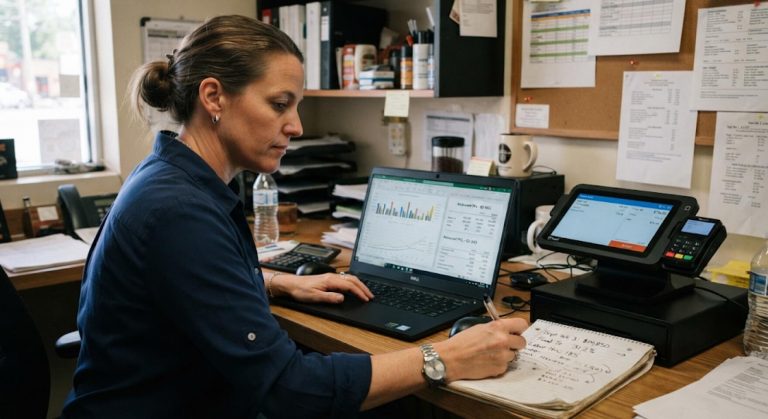
Alcohol accounting is much more complicated than accounting for ordinary products. Bottles, kegs, and multi-component cocktail mixes require filigree calculations. The mechanics of accounting in a restaurant rely on portioned write-offs. A steak was sold — meat was written off. On the other hand, working with alcohol encounters free pouring. Keeping records in Excel spreadsheets is deliberately agreeing to theft.
Such deep automation makes it possible to identify unprofitable items through ABC analysis. The bar program allows you to instantly change the price matrix for different zones of establishment management. No cafe automation requires management under such strict control over product movement as working with elite alcohol. Effective management is achieved only through deep digitalization.
Staff always find weak spots in the system. Popular schemes include pre-check cancellations, container manipulations, and unauthorized discounts. A comprehensive automation solution makes these actions impossible. Any cancellation or removal of an item is recorded in the event log. Integration with video surveillance ensures full control over the situation.
After switching from manual tools to professional software, one capital pub discovered a 15% weekly shortage of keg beer. The reason lay in manipulations with foam and the use of other people’s loyalty cards. Having implemented a strict control system, the establishment stopped the losses. The increase in profit fully covered the automation costs in the first month.
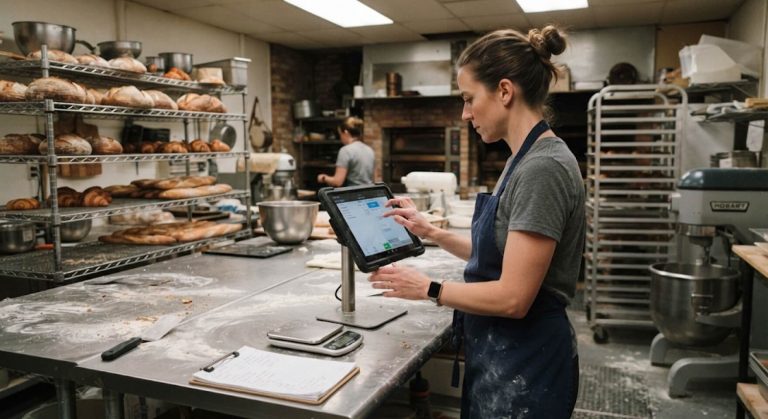
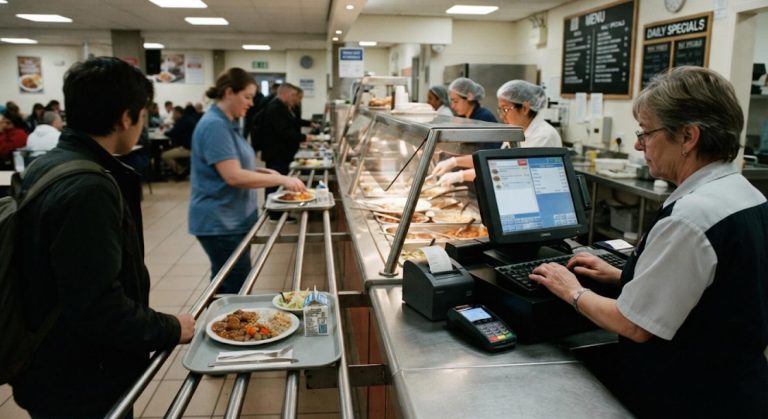
Scaling a business requires architectural flexibility. If a company develops different formats where there is automation for bakeries, coffee shops, canteens, and niche establishments, the automation system adapts easily. It configures the specifics of various departments while keeping consolidated data in one program. This approach is perfectly suited for automating network projects.
Disparate programs create operational chaos. When the front office works in isolation and the warehouse module lives its own life, the business loses money. A unified ecosystem guarantees order. The main advantages of implementing Syrve:
To choose reliable software for bar automation, experts advise carefully analyzing the product’s architecture. You shouldn’t look for where to download software for free. Free cheese always ends up being too expensive for the cash register. Professional restaurant automation systems offer a full demo. It visually demonstrates all the functionality and proves the return on investment.
Modern software reliably protects your business assets from internal threats. Restaurant or pub automation is not an expense but a strategic investment. It protects the enterprise from abuse and is guaranteed to help fine-tune processes so that it is convenient for the team to work.