Fiscalization in an establishment: PRRO, online cash register, and POS system integration
28 September 2026
Read

Low profitability with a full house is a classic problem in catering. When the average check in a restaurant falls, and food cost steadily grows, the business rapidly burns through working capital and generates losses. Attempting to resolve the situation by blindly raising menu prices inevitably leads to a loss of customers. The real solution lies in strict cash discipline, sales management, and an in-depth analysis of the product matrix. Digitizing finances in a restaurant, introducing mobile terminals for waiters, and optimizing the offer allow you to increase the average check by 15-20% without losing targeted traffic.
The basic mathematical formula for calculating the average check is quite simple: total revenue for a specific period is divided by the total number of receipts processed. However, calculating the average check of a restaurant or cafe solely based on the number of transactions at the register is a fundamental management error. For example, one table may include a large group of five or six people, and such a primitive calculation of the average check will result in significantly distorted data.
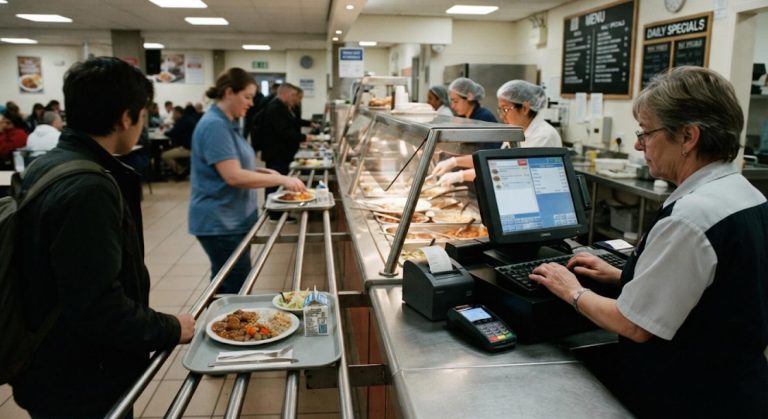
This indicator is correctly calculated with a strict link to the number of guests. That is, net revenue is divided by the number of unique visitors. To accurately calculate these metrics and objectively evaluate the efficiency of the dining room, it is necessary to use reliable POS systems that programmatically force the waiter to specify the exact number of people at each table before opening an order.
The calculation and dynamics of the average check reflect a whole complex of operational factors. The key instrument is always the menu. If expensive dishes are not in demand, the overall profit margin of the enterprise inevitably falls.
The next critical factor is the qualification and engagement of the staff. The waiter must flawlessly master cross-selling and upselling techniques to confidently offer the client high-margin additions to the basic order. In addition, seasonal fluctuations and the time of day affect the average check. A higher average check is traditionally recorded during the evening seating, when visitors massively order alcoholic beverages and complex gastronomic accompaniments. Therefore, a deep analysis of the average indicator must be segmented by hours to optimize product sales and the scheduling of kitchen and hall staff.
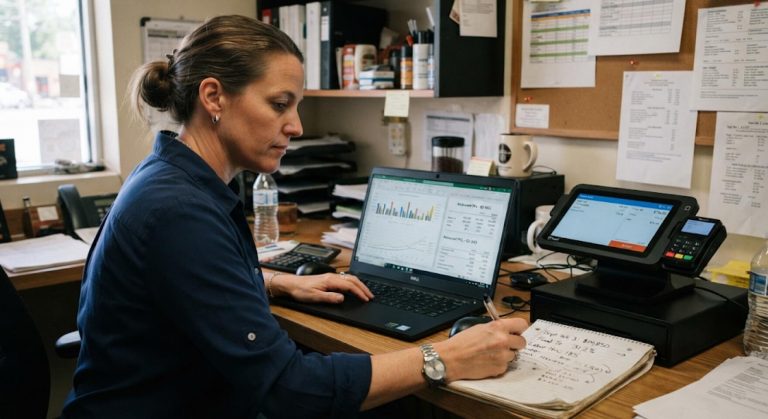
To reliably assess the efficiency of a restaurant business, it is absolutely insufficient to monitor only gross revenue. A detailed restaurant profit and loss (P&L) statement clearly shows whether this specific check generates real net income. For example, an emergency increase in the average check through discounts or promotions on dishes with a critically high food cost can paradoxically reduce the overall profitability of your enterprise.
The owner must clearly understand the marginal profit of each individual item. An expert breakdown of how much your cappuccino actually costs — management accounting in a cafe demonstrates how unaccounted hidden expenses gradually eat up income. When you see the full cost structure, you manage the business rather than just watching cash flow. An integrated restaurant report allows you to identify potential cash gaps even before they actually occur.
A strategy for financial growth requires a systematic approach. Practical and proven methods for increasing the average check include:
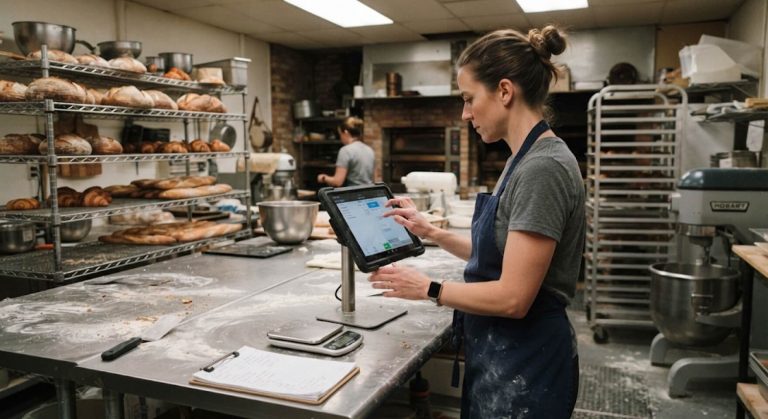
Successful management of a restaurant or cafe requires strict digitized data without any delays. The full-fledged Syrve ERP system automates the collection of all key indicators. Thanks to the SyrveWaiter mobile waiter tool, staff take orders right at the table. This instantly raises the average check, because the system automatically forces the employee to offer marginal toppings, sauces, and drinks.
The owner gets a convenient dashboard panel on their phone that continuously displays the average check amount in the restaurant or cafe in real time. The platform’s autonomy guarantees that the register continues to work even without the Internet — no transaction will be lost, and all data is synchronized once the connection is restored. Implementation practice confirms: by setting up financial accounting in a restaurant from scratch based on Syrve, establishments eliminate losses and record a tangible increase in revenue in the very first month of operation. This directly and positively affects business profitability.
Correct and accurate calculation of the average check is a critically important metric that acts as the main indicator of the enterprise’s financial health. You need to track the average check in a restaurant daily, carefully comparing it with food cost dynamics and real staff costs. Using a deep daily analysis of the average indicator and the professional Syrve ecosystem, a restaurateur turns chaotic transactions into a predictable and manageable cash flow. Focus on proven tools for increasing the average check, invest in modern digital technologies, and your business will consistently generate profit regardless of any external market fluctuations.