Fiscalization in an establishment: PRRO, online cash register, and POS system integration
28 September 2026
Read
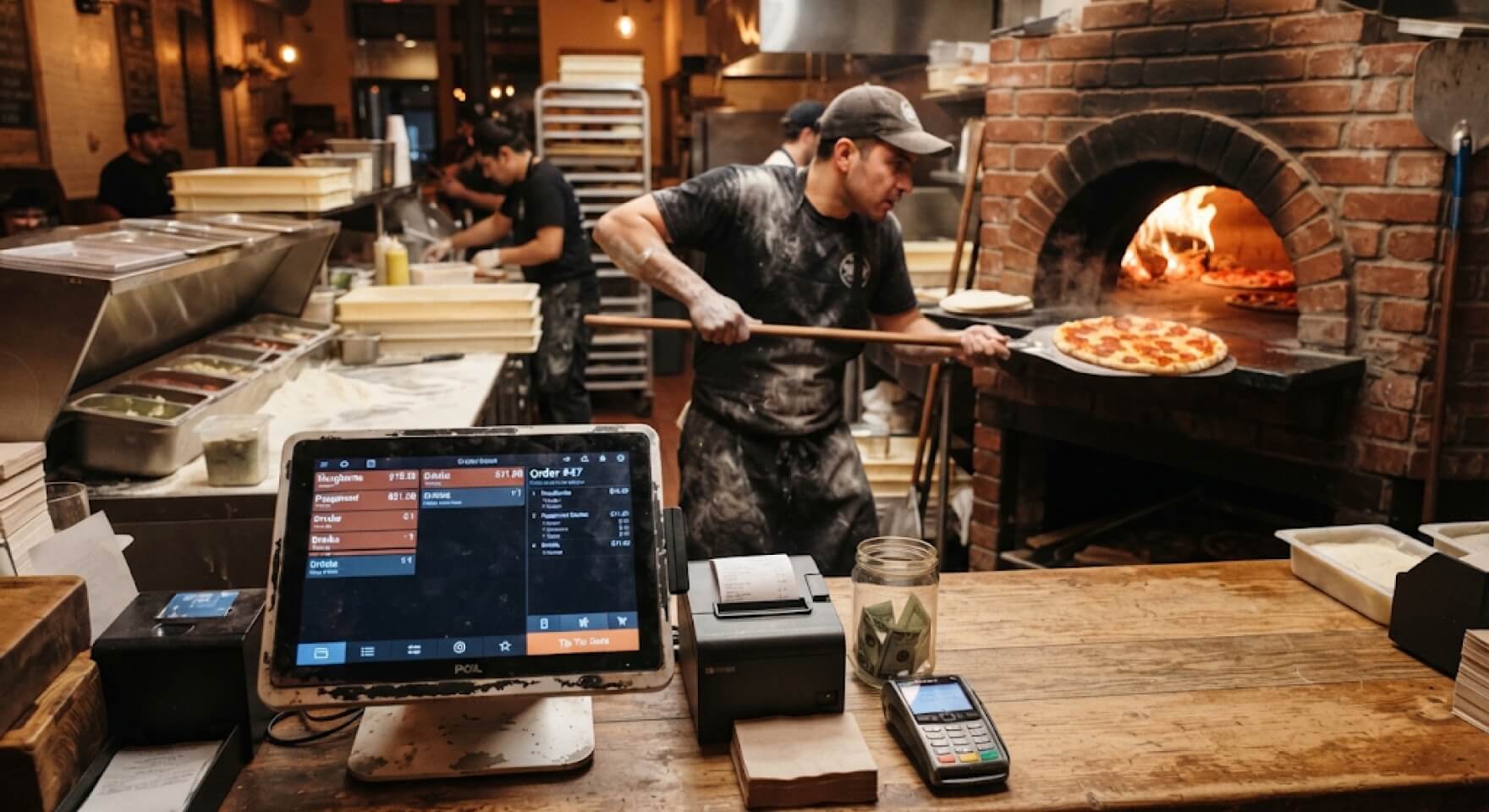
Every month, a pizzeria can lose up to 15–20% of its profit due to chaos in the production cycle and delivery delays. In an establishment without configured software, chefs mix up toppings, administrators waste time reconciling balances, and margins dissolve in incorrect write-offs. For delivery to truly bring in money, rather than eating it up through aggregator commissions or negligence, you need deep pizzeria automation based on restaurant automation solutions like Syrve.
Unlike a small cafe that sells ready-made desserts or coffee, a pizzeria is essentially a mini-production facility with complex kitchen logistics and specific cash discipline. It is not enough to simply install a POS terminal and print a receipt.
A restaurant or pizzeria automation system must control:
Accounting automation in a pizzeria requires accuracy at every stage — from taking an order at the counter or remotely to handing the box to the client.
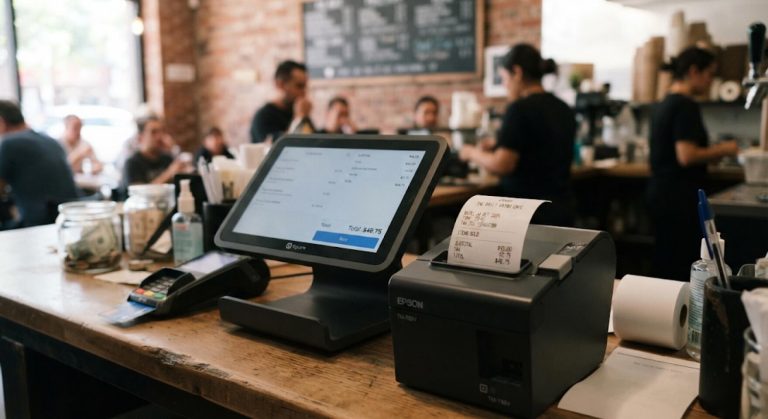
Accounting in a pizzeria begins with the dough. It is not just an ingredient, but a semi-finished product that has its own life cycle: kneading, fermentation, write-off. The Syrve accounting program allows you to create complex technological routing where the dough is written off automatically the moment the order receipts are printed.
Thanks to this, the cashier and the chef do not have to think about stock balances, and the owner sees the real picture of the kitchen and bar efficiency.
A guest often asks: “No onions for me, but double cheese.” For conventional software, this is a problem. For a specialized cafe or pizzeria automation program like Syrve, this is a standard feature. Modifiers allow you to change the composition of a dish right on the cash register screen.
The accounting automation system instantly recalculates the cost and sends a kitchen ticket with clear instructions. This reduces the number of staff errors and write-offs due to carelessness.
Time is money, especially in delivery. A delay at the oven ruins the entire chain. Instead of paper receipts that get lost, a KDS (Kitchen Display System) screen is installed in the kitchen.
As soon as waiters or operators take an order, the information appears on the screen. The chef sees the cooking sequence, receipt time, and the status of each pizza. This increases the speed of the restaurant or delivery by 20–30%.
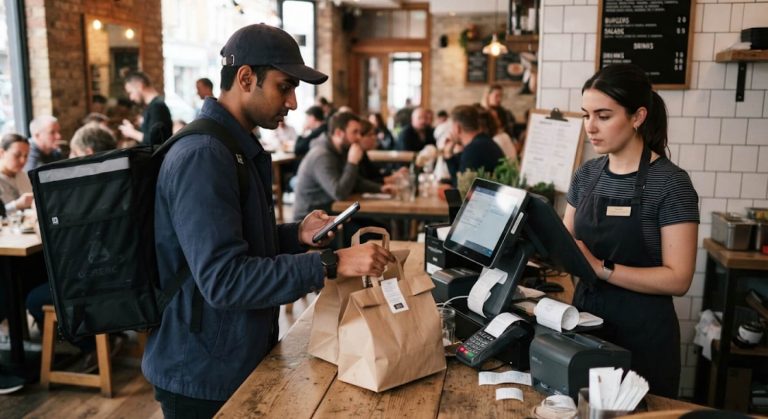
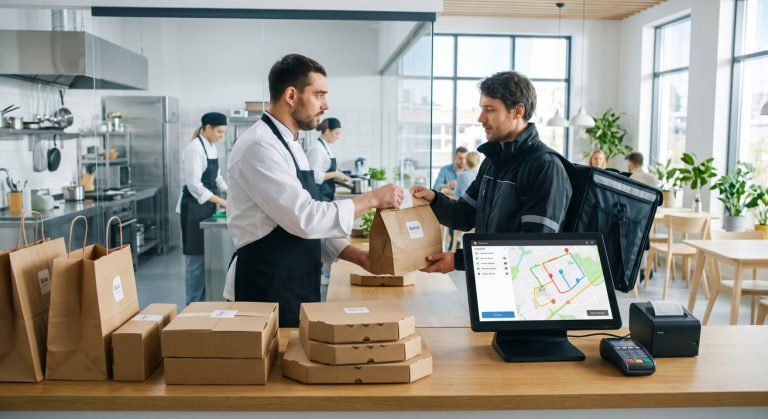
Pizza delivery automation does not end with cooking. It is important to quickly hand over the finished dish to the courier. When the box comes out of the oven, the system can automatically print a packaging label via the receipt printer, and the courier already sees the trip details in their app.
Learn more about order acceptance automation.
Pizza has a short lifespan: 30–40 minutes in a thermal bag, and it loses its quality. Therefore, a CRM for pizza delivery must support zoning based on real travel time, rather than just a radius. The Syrve pizzeria program allows you to configure a heat map that blocks orders from remote areas so as not to disappoint clients with cold food.
Read more about how to organize the work of couriers and delivery zones.
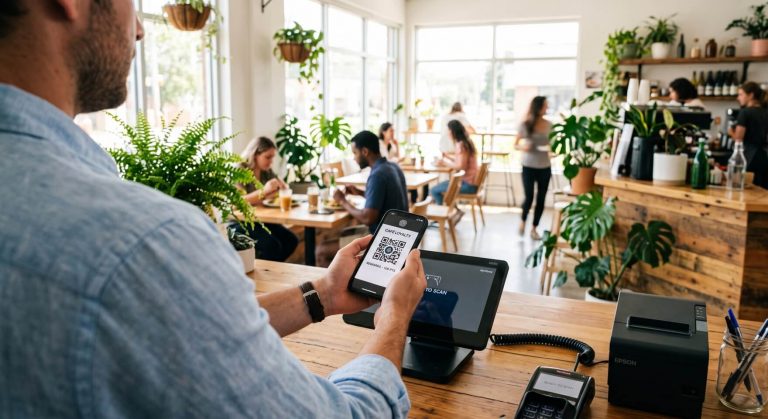
Analytics show that a loyal guest brings in up to 70% of the revenue. An implemented loyalty program remembers the phone number, purchase history, and even the preferred payment method. When a client calls, the operator sees their profile and can immediately offer their favorite pizza, increasing conversion.
To work with a client base, you will need a reliable CRM system for the establishment.
If you have a network, managing it without a centralized automation system is a disaster. Restaurant operation automation from Syrve allows you to centrally update menus in all locations with one click. You can set different prices for different areas, but maintain unified standards of tech routing, which greatly facilitates restaurant accounting and the consolidation of financial reports.
Business efficiency depends on food cost control. In a pizzeria, the margin is most often lost due to:
To avoid this, you need strict inventory accounting and stock control. It is also important to properly calculate the cost of a dish to keep the P&L in the black.
Launching pizzeria automation for delivery or the hall requires a comprehensive approach. From selecting POS equipment and waiter terminals to configuring the software and training the team. Automation of cafes and restaurants, in particular automation of the pizza delivery service, relieves the owner’s headache, turning the establishment into a manageable mechanism.
Start with an audit of your establishment’s current processes and choosing a reliable partner in the restaurant software market. The right pizzeria automation system is not an expense, but an investment in the stability of the restaurant business.