Loyalty Program for Cafes and Restaurants: Bonuses, Guest Base, and Retention
19 November 2026
Read
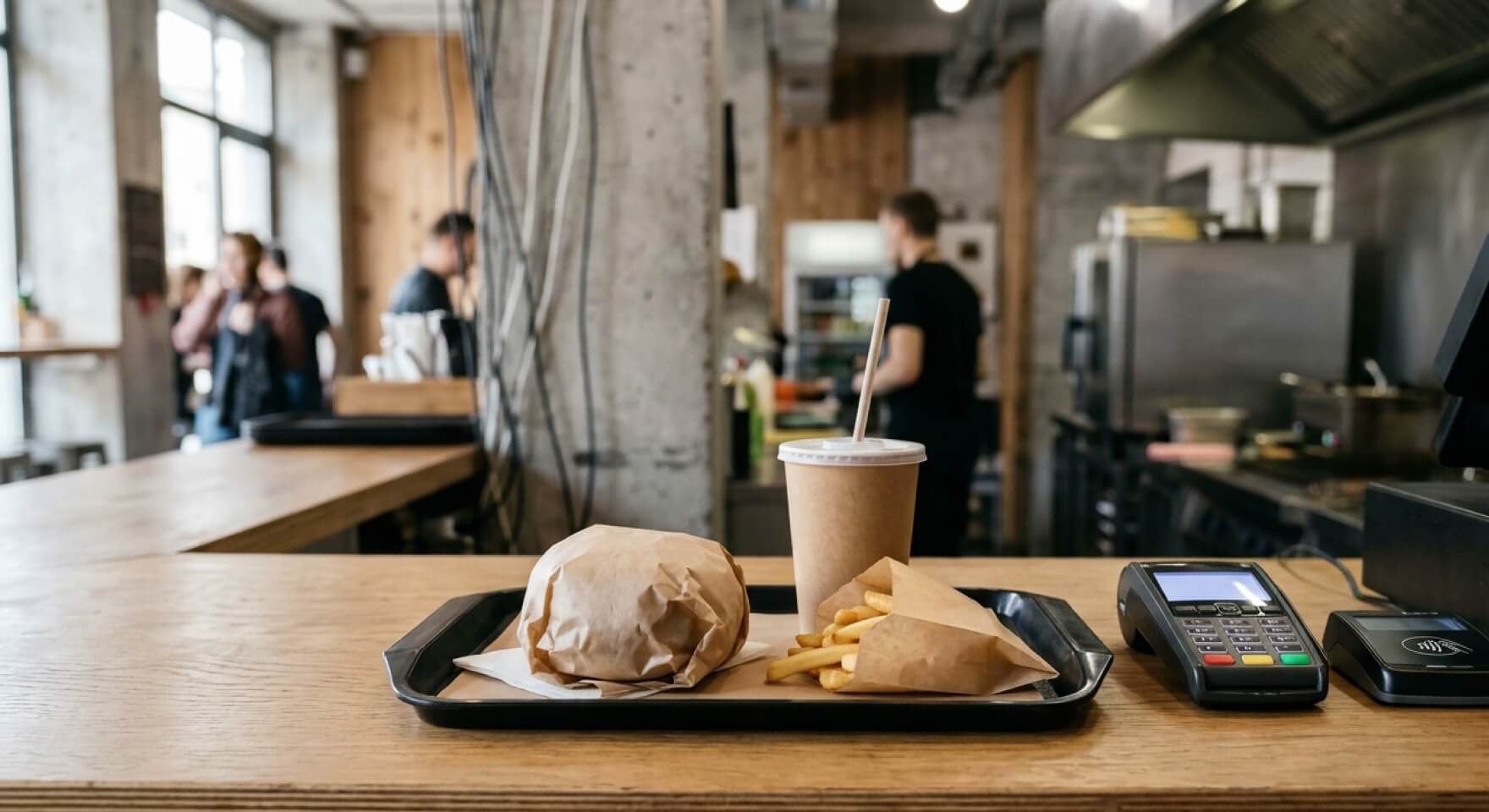
Every extra 15 seconds spent ringing up a receipt during the lunch rush costs a burger joint or shawarma stand up to 20% of daily revenue due to queues that drive customers to competitors. Professional fast food automation turns venue operations into a streamlined assembly line: the cashier rings up orders in three clicks, combo meals are assembled automatically, and cooks see preparation sequences on a screen without paper tickets. This speeds up order fulfillment by 1.5x, cuts operating costs, and protects margins from ingredient overconsumption.
In a traditional cafe, guests are willing to wait 10 minutes for a server, whereas in quick-service restaurants, every second counts. High foot traffic combines with a modest average check, meaning business profitability relies strictly on turnover. Quick-service restaurant automation focuses on checkout throughput and kitchen station synchronization. If fast food software lags when selecting a sauce, the location’s P&L drops during the very first shift, making queue reduction impossible.
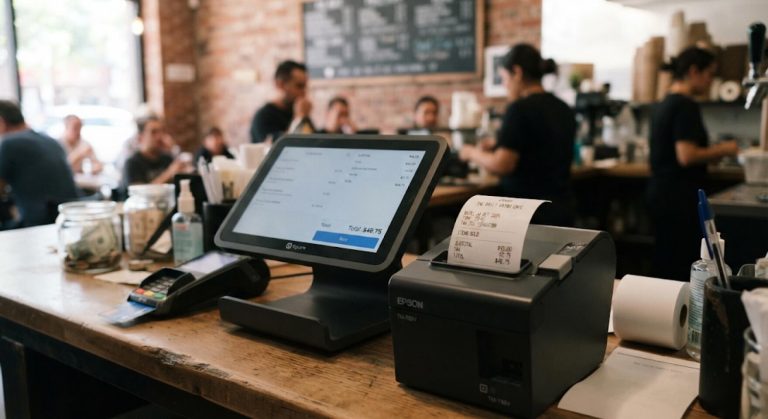
When 15 people are standing at the counter, a cashier has no time to scroll through multi-level menu folders. A modern fast POS for coffee shops and street food displays top-selling items on the main screen as large tiles. Payments via card, cash, or loyalty program points are processed in a single tap, while cloud fiscalization registers the receipt instantly. With Syrve, street food POS terminals continue operating reliably and issuing receipts even without an internet connection, maintaining strict cash discipline.
During a rush, a new hire often forgets to offer fries or a drink with a burger. Proper fast food software handles upselling automatically: as soon as a customer orders a main dish, the interface prompts turning it into a combo meal. Mandatory modifiers (spice level, wrap type, extra cheese) pop up automatically. From Restasystem implementation experience: strict prompt configuration in fast food menus drives a 14–19% increase in average check within the first week without pressuring staff, while fast food software eliminates assembly errors.
A crowd around the pickup counter creates chaos and frustrates guests. An electronic queue solves this: after payment, the customer receives a receipt with a large order number, and the order status is broadcast on an in-store display (“Preparing” / “Ready”). This relieves staff from constant questions and streamlines order handoff. Such venue automation speeds up customer service and creates a predictable experience for any quick-service location.
Paper tickets in the kitchen get lost, wet, and delay fulfillment. When a POS system with a kitchen screen is running, orders are instantly routed across stations: the grill cooks the patty, the fryer prepares the fries, and the assembly station tracks a timer for every item. This ensures order in the kitchen without lost receipts. Implementing automation in Syrve cuts bag assembly time down to 3–4 minutes, keeping fast food operations running smoothly during peak hours.
A self-service terminal pays for itself at a volume of 250–300+ receipts per day and when facing cashier shortages. Guests select dishes on a large screen, add toppings, and pay by card. A visual kiosk outsells a tired employee, boosting order values by 20%. Integrating the kiosk with the Syrve database sends orders straight to the kitchen, allowing fast food automation to recoup terminal investments in 4–6 months.
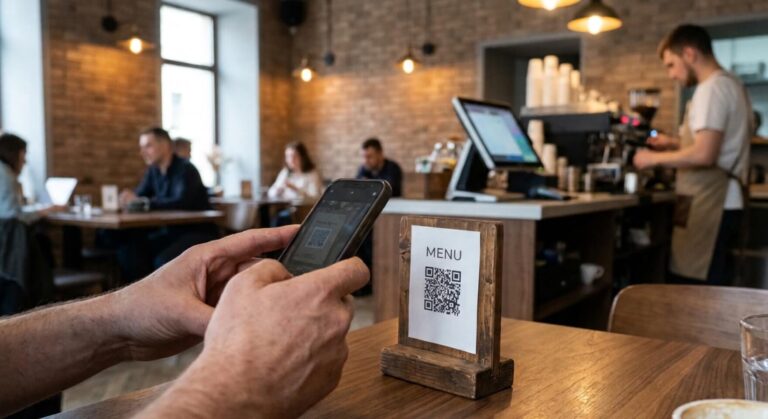
Operating in a shopping mall food court comes with strict speed and fiscalization requirements. Here, checkout terminals of various concepts or retail-adjacent kiosks operate side by side, while your own website or QR orders from shared food court tables flow into a single database. Cloud accounting software synchronizes sales and generates transparent reports for landlords. For hybrid formats with table seating, the SyrveWaiter mobile app is available to simplify venue management.
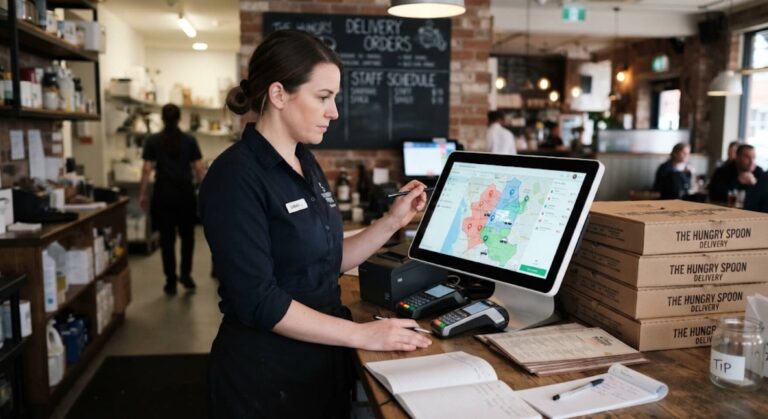
Scaling a burger joint or street food chain breaks down without centralized management. Syrve’s cloud back-office lets you update menus and prices simultaneously across all locations while maintaining separate inventory accounting and stock control for each warehouse. Owners track sales dynamics, revenue, and reporting in real time via mobile dashboards, making it easy to oversee operations effectively.
In a fast-paced format, an extra 15 grams of cheese or sauce on every shawarma eats up thousands of euros every month. Maintaining profitability requires accurate recipe cards and portion control. When the automation system automatically calculates the cost of a dish with every receipt rung up, any shortage surfaces immediately during inventory counts. Smart fast food software and specialized accounting tools prevent kitchen theft and boost profitability through automation.
Launch begins with a business process audit and choosing a reliable platform. Comprehensive fast food software from Restasystem scales effortlessly from a single kiosk to a nationwide quick-service chain. Select the optimal equipment and software (POS terminal, KDS monitor, label printer) to upload recipe cards and configure staff access permissions. A reliable automation program, core feature set, and Syrve software capabilities turn customer footfall into steady profit. By choosing proven fast food automation software, you eliminate routine bottlenecks from day one.