Fast Food Automation: Fast POS, Queue Management, and Combos
26 November 2026
Read
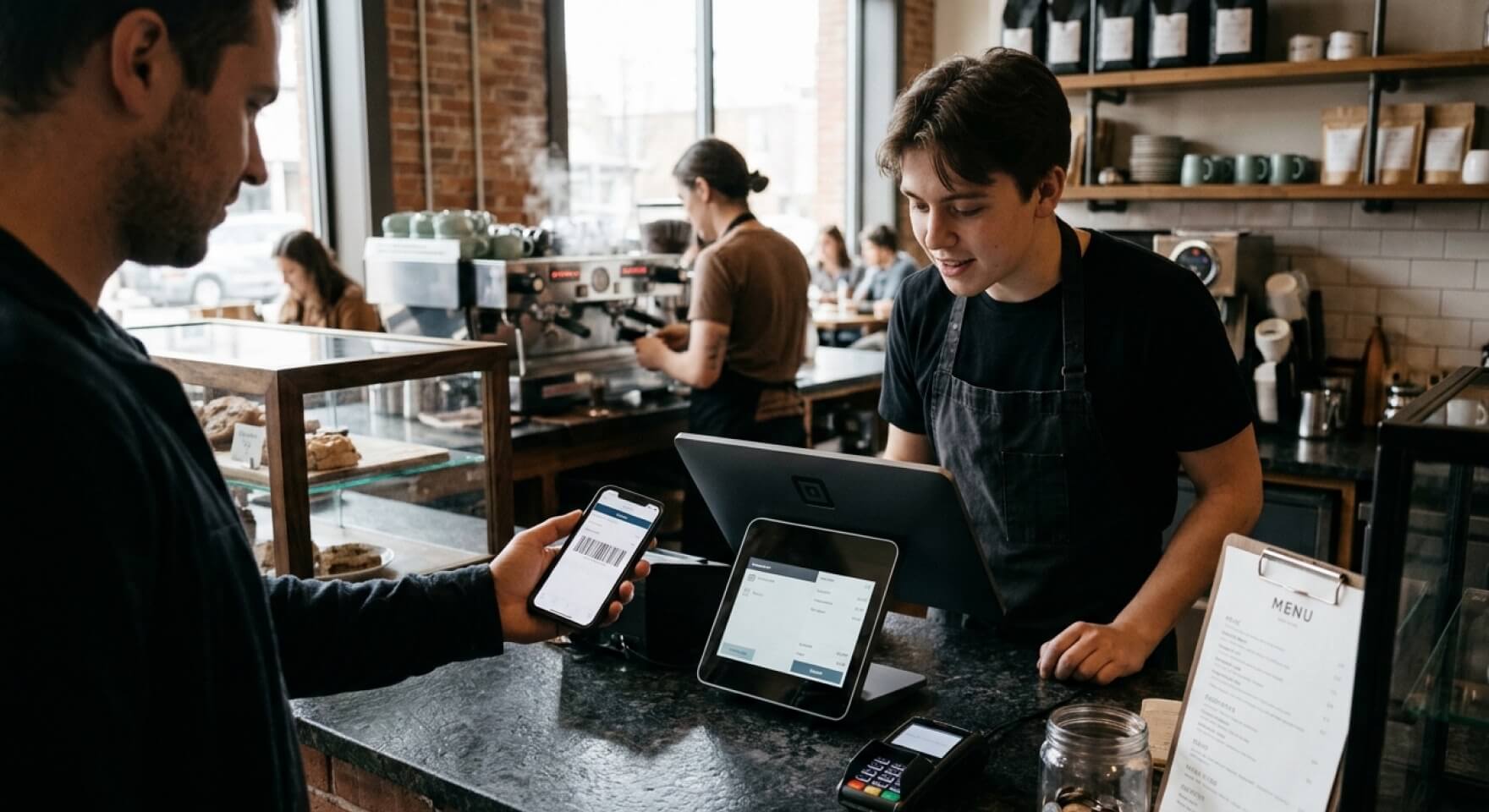
Acquiring a new visitor costs an establishment 5–7 times more than retaining an existing one, while chaotic discounts eat up to 10% of net profit without growing revenue. A well-thought-out loyalty program for a cafe and restaurant turns one-off visits into a steady stream of checks through point accumulation and personalized triggers. Instead of price dumping, you get a digitized guest database and manageable purchase frequency.
Even with a full house during peak hours, without recording contacts you cannot see who returned and who left for competitors. A modern CRM system for an establishment and visitor and revenue accounting software show actual traffic turnover. A digitized restaurant loyalty system transforms an anonymous flow into a restaurant customer database, where working with guests increases LTV. From Restasystem’s experience: in coffee shops with steady footfall, launching return tracking increases visit frequency by 18% within two months.
A direct discount immediately hits your margin, whereas bonuses and cashback incentivize repeat visits. Let’s compare P&L costs for restaurants and cafes with an average check of €15 and a 30% food cost:
| Mechanics | Nominal Value for Guest | Actual Cost (% of Check) | Impact on Retention |
|---|---|---|---|
| Direct discounts | 10% | 10% immediate margin loss on every order | Low: no incentive to return |
| Bonus system in a cafe | 10% in points (pay up to 30%) | 2.1%–2.8% (due to food cost and unredeemed points) | High: guest returns to spend accumulated points |
| Progressive cashback | 5%–10% of spend amount | 1.8%–3.0% of total turnover | Maximum: increases order value |
A flexible restaurant loyalty program is always more profitable than discounting. After all, the guest returns to where they are valued, not where it is cheaper.
Suppose your establishment’s food cost is 30%, operating expenses are 45%, and net margin is 25%. By offering 10% cashback in points, you do not lose 10% in cash. The customer returns and uses points to pay for part of a dish whose cost price is 30% of its menu price, while another 20% of bonuses expire unused. As a result, 10% cashback costs the owner only 2.4% of revenue, leaving 22.6% in net profit. Precise rule configuration in Syrve ensures that restaurant loyalty never eats into your margin.
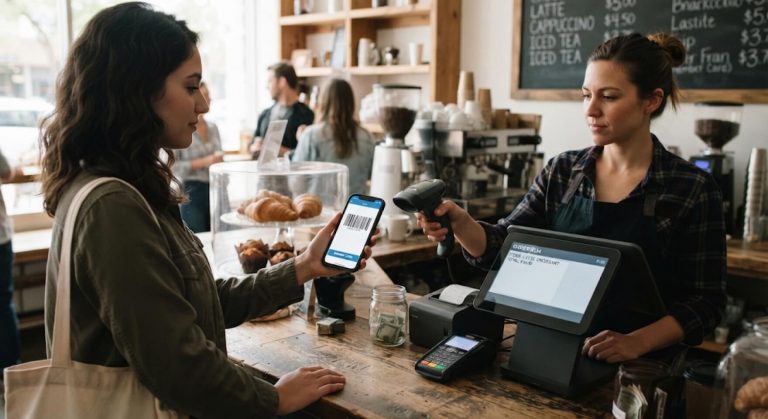
Plastic cards get lost and slow down the queue. At the register, phone numbers, Apple/Google Wallet cards, or a mobile app work best. A waiter finds a profile in 3 seconds using the SyrveWaiter mobile app. Even without an internet connection, the Syrve POS processes payments and records bonus accruals locally. Such a restaurant loyalty system speeds up checkout, directly boosts retention, and maintains service pace.
A long questionnaire kills registration. To launch your program, a name and phone number are enough—85% of regular guests share them in exchange for welcome points. Date of birth converts at 60% for a birthday gift, whereas nobody will disclose their income level. Reliable customer accounting software and visitor tracking tools automatically record order history, booking preferences, and average check.
Mass promotions like “15% off everything” dilute your marketing budget. Restaurant customer automation segments the database by visit frequency and tastes: morning guests receive coffee offers, while evening guests get bar menu highlights. Learn more about how to increase guest return rates in our guide. In Syrve, built-in RFM analysis handles this automatically through personalized triggers and customer communication tracking.
If a regular customer has not visited for 45–60 days, the risk of losing them exceeds 70%. Loyalty program automation tracks this timeframe and triggers a win-back sequence: a bonus expiration reminder, followed a week later by a time-limited gift with their order. According to Restasystem observations, automated reactivation brings back up to 14% of “sleeping” guests with zero new-customer acquisition costs.
Constant sales train guests to buy only during promotions. Instead of discounts, introduce perks for regulars: double points during off-peak hours or a complimentary treat from the chef. To ensure promos boost margin, run an ABC menu analysis and promote high-margin dishes. Smart promo automation and systematic cafe marketing fill your venue without price dumping.
Owners track loyalty program performance on the Syrve mobile dashboard using four key metrics:
Even modern loyalty automation systems hurt P&L if you allow 100% payment with points, offer discounts on low-margin alcohol, or fail to cap daily bonus redemptions. You can safely run and scale restaurant loyalty programs only with an automation system featuring role-based access rights. SyrveLoyalty integration lets you flexibly manage limits, increase repeat visits, and turn marketing tools and loyalty management into steady profit.