Pizzeria Automation: Accounting, Production, and Pizza Delivery
3 October 2026
Read
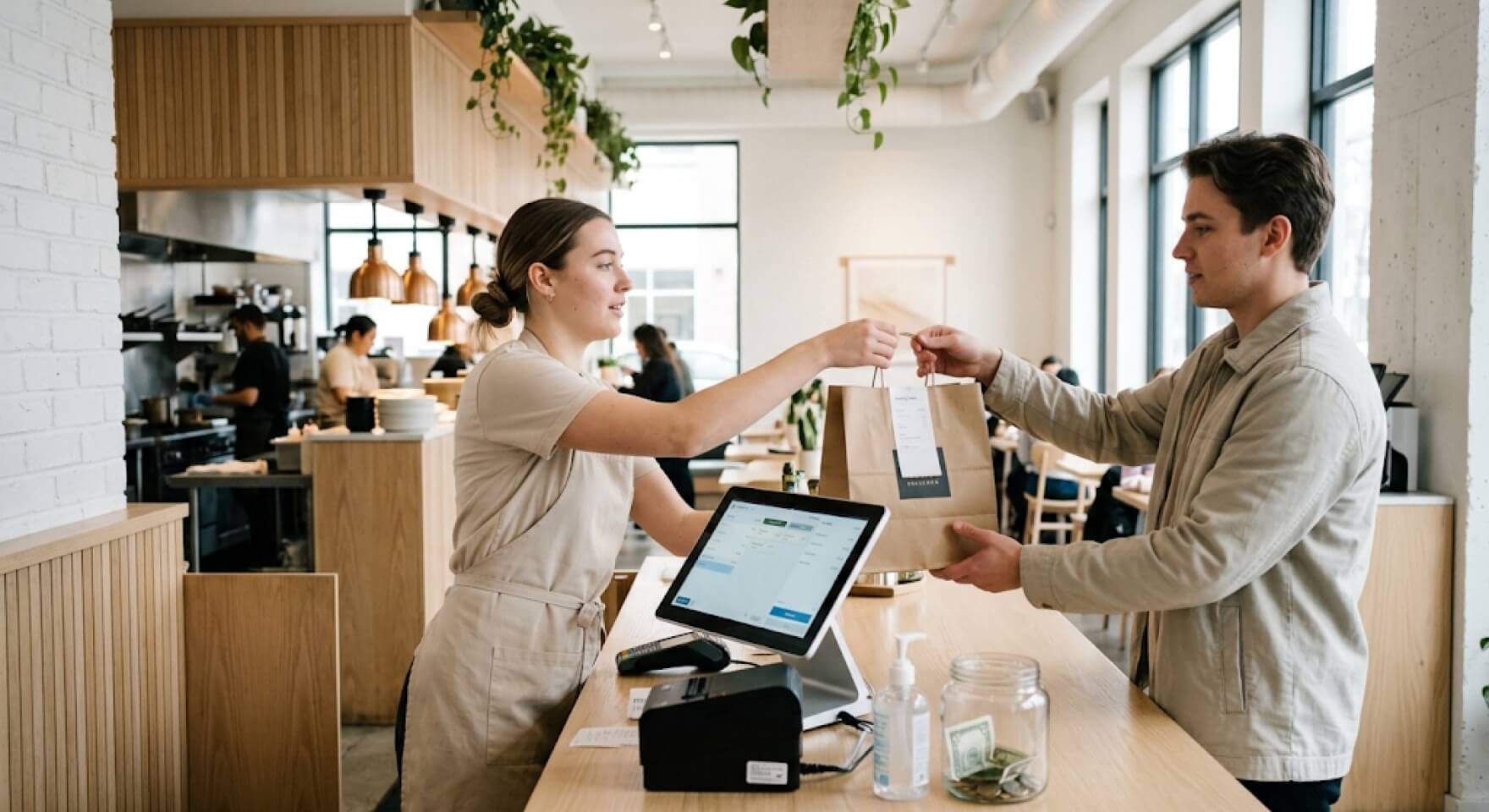
Manual delivery management eats up to 12% of revenue due to operator errors, forgotten items, and delays in the kitchen. From the moment a guest clicks the “order” button to the physical handover of the package to the courier, an uninterrupted digital algorithm must work. Professional courier delivery automation eliminates the human factor, guarantees instant write-off of ingredients, and strictly protects the profitability of the restaurant business in Europe. We are not talking about an abstract service, but a specific tool to increase profit.
Friday evening. The operator takes a call, simultaneously clicks on the Glovo tablet, and shouts to the sous-chef about a new pizza. The result: two missed calls, mixed-up dishes in the package, and forgotten paid additions. These are direct losses. Implementation practice shows: without a unified system, an establishment loses thousands of euros every month just on unpaid extra ingredients.
Full automation of cafes and restaurants records every action. High-quality software will not allow you to punch a burger without selecting the degree of doneness. Not a single item will bypass the cash register. If you need competent organization of a food delivery service, you must start with strict standardization of order acceptance.
Today, the client is surrounded by many brand touchpoints. They can call, write in a messenger, or use an aggregator. Each channel is a separate data stream. For the electronic menu and order acceptance to work like clockwork, all sources must flow into a single database for coffee shops and restaurants.
How to organize a delivery service when there are five sources and one operator? The solution lies in API settings. A request from a website or app immediately generates a preliminary receipt. The waiter or dispatcher only confirms it with a click.
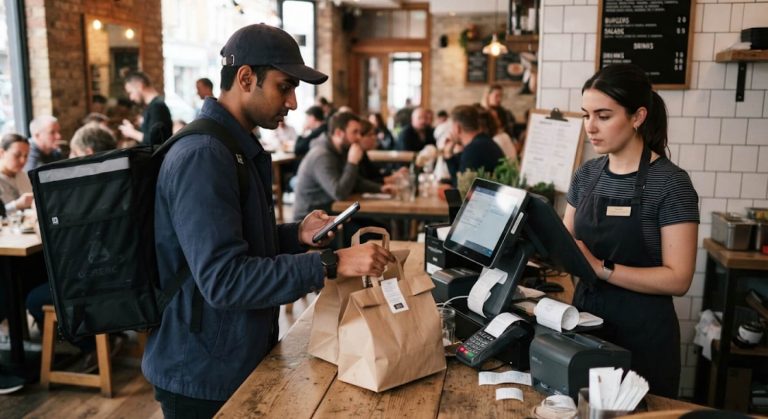
The operator should not work as a typist, transferring texts from aggregator tablets to the terminal. A modern courier service program intercepts webhooks instantly. The ability to combine all orders from aggregators in one window reduces processing time from three minutes to fifteen seconds.
Everything is visible on the screen: the guest’s purchase history, their level in the loyalty system, and favorite drinks. The dispatcher has full access to the profile. This is the optimal way to control staff work at the checkout, avoiding double data entry.
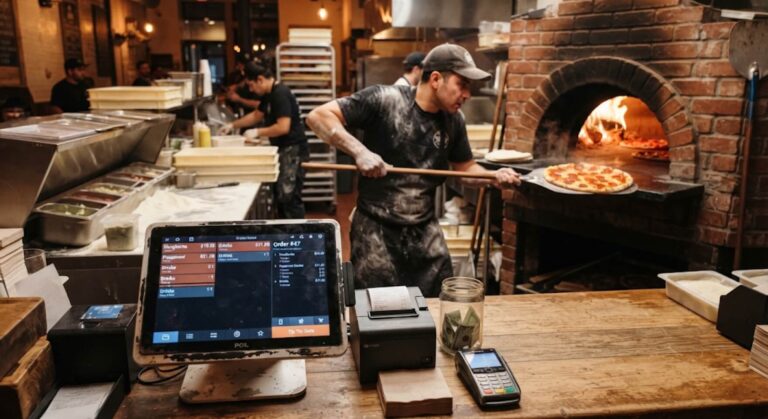
A confirmation click — and the request is already in the kitchen. Instead of getting lost pieces of paper, KDS kitchen screens and receipt printers work. This ensures perfect order in the kitchen without lost receipts. The chefs see a clear queue. The hot shop understands when to start cooking so that the fries do not get cold while the sushi is being rolled.
For a small cafe or a large dark kitchen, cafe automation builds a transparent process. The chef presses the ready button, and the packer sees that it is time to assemble the package.
Calls like “Where is my food?” paralyze the work of the establishment. Proper delivery planning automation informs the buyer at every step. Statuses change automatically: “Accepted”, “Preparing”, “Handed to courier”.
SMS notifications or app push notifications satisfy clients’ need for control. How to properly organize food delivery? Make the process transparent. The guest sees real-time tracking, and the call center is relieved by 40%.
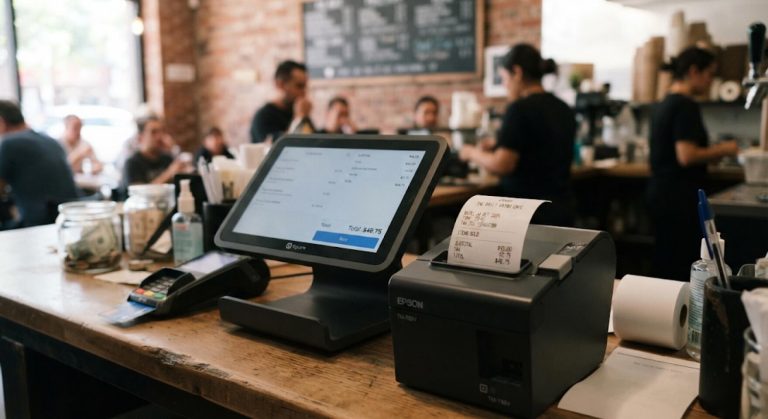
Handing over the assembled package requires strict fiscal discipline. A reliable POS system ensures that the settlement will be legal, and all cash transactions will go through the cash register. Even during internet outages, the autonomous checkout module allows punching receipts without stopping sales.
Any software for a courier service must clearly distinguish payment types: cash, terminal upon receipt, online acquiring. This is a basic requirement for restaurant automation, which simplifies shift closing and accounting for cash in the register.
Salmon ran out in the warehouse. Instead of calling the managers of three aggregators, the administrator puts the item on the stop list at the terminal. Comprehensive restaurant management systems update data on all platforms instantly.
Menus, prices, and modifiers are synchronized without human intervention. Accurate inventory tracking makes it impossible for a guest to order something that is out of stock. That is why Syrve for restaurants is the industry standard for seamless integration.
If you have three coffee shops, the system itself will decide where to prepare the order. How to organize food delivery around the city without this functionality? You can’t. A smart automation system analyzes the guest’s address and the current workload of the kitchens.
The request automatically flies to the place from which it will leave faster. This increases the overall efficiency of the restaurant network and relieves the workload of managers. No employee can distribute traffic so accurately.
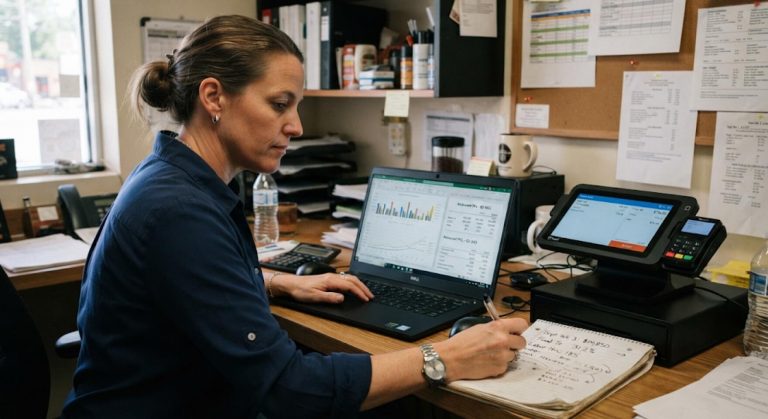
Business management is based on numbers. The manager’s dashboard shows the speed of dish output, reasons for cancellations, and the profitability of each portion. Professional automation with Syrve generates deep reports: from ABC analysis to food cost for each channel.
You clearly see the accounting of couriers’ work (package pickup speed), real profit from aggregators, and the dynamics of order volume. This analytics helps optimize purchases, conduct inventory on time, and efficiently manage stock in the bar or kitchen warehouse.
When figuring out how to organize food delivery from a restaurant, check your future software. Does it have kitchen screens? Does it support two-way synchronization of stop lists? Can the courier program work in a single ecosystem with the checkout?
The next step in logistics will be the direct organization of an in-house delivery service and courier work, but the foundation is laid specifically at the stage of accepting requests. Choose reliable software to automate routine, set up uninterrupted process configurations for the food service establishment, and stably multiply your profit. When a properly configured program is working, the owner counts money, not lost receipts from tables and delivery.